
Best Beaches and Coastal Landscapes of England
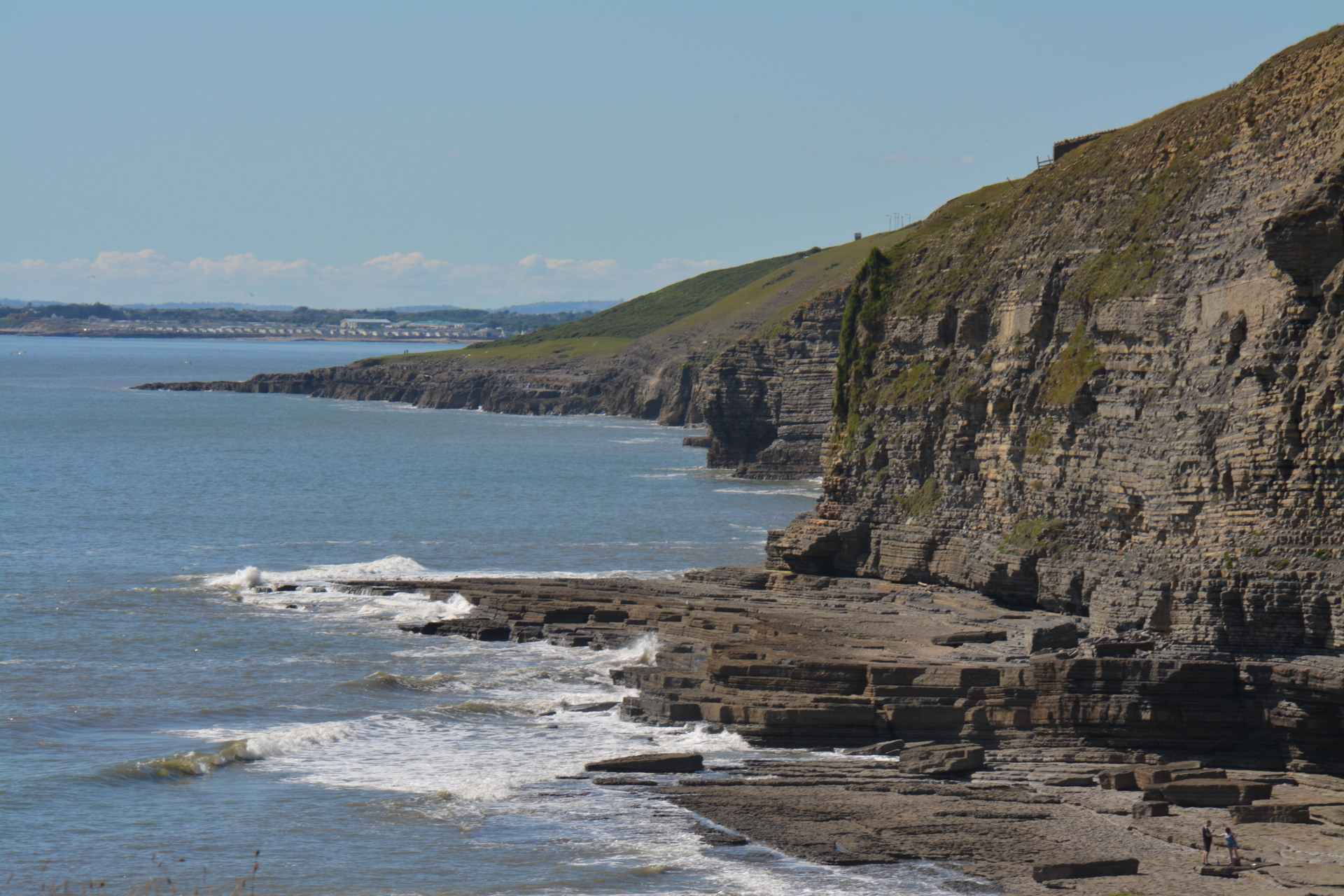
Best Beaches and Coastal Landscapes of England – The Honest Guide
Bamburgh, Holkham, the Seven Sisters, Durdle Door, Kynance Cove and Formby – England’s finest beaches with the truth about cold water, crowds, dangerous tides and sewage.
The truth about English beaches
England has some of the most beautiful coastline in Europe: chalk cliffs, Jurassic fossil beaches, Atlantic surf, empty dunes in Northumberland, salt marshes full of seals in Norfolk. What it does not have is reliable sunshine or warm water. The sea off the North-East rarely passes about 15°C even in late summer. The south coast of Cornwall is warmer, but "warm" is relative.
There are also less pleasant truths. Some of the most famous beaches are dangerous, a few are badly overcrowded on sunny weekends, and water quality is a national political issue because of sewage discharged by water companies. None of this should stop you going – it should change how you plan. The best English beach days happen on a weekday in June or September, early in the morning, with a flask, a windbreak and a coat.
- Coastline: England's coast is protected in long stretches as "Heritage Coast", and the King Charles III England Coast Path is creating a walking route around the whole of it.
- Lifeguards: the RNLI guards around 250 beaches across the UK in summer – swim between the red and yellow flags.
- Water quality: the Environment Agency rates designated bathing waters each year as Excellent, Good, Sufficient or Poor.
- Dogs: many popular beaches ban dogs from about May to September.
Sewage: what you need to know
England's sewers are combined systems: when heavy rain overloads them, "storm overflows" discharge untreated sewage into rivers and the sea. In 2024 overflows in England spilled for a record of more than 3.6 million hours. Environment Agency figures for 2025 show 291,492 spills lasting about 1.9 million hours – a large fall, but the agency itself says much of the improvement was due to unusually dry weather rather than better infrastructure. The campaign group Surfers Against Sewage says its analysis found more than 187,000 hours of spills on "dry days", when overflows should not discharge at all, affecting 105 bathing waters.
In practice, most designated bathing beaches are rated Good or Excellent most of the time, but the risk rises sharply for a day or two after heavy rain. Before you swim:
- Check the Environment Agency's bathing water quality information for the beach.
- Use the Safer Seas & Rivers Service from Surfers Against Sewage, which shows recent discharge alerts.
- Avoid swimming for 24–48 hours after heavy rain, especially near river mouths and harbours.
Northumberland and Yorkshire
Bamburgh and Embleton Bay, Northumberland
Miles of pale sand and dunes beneath Bamburgh Castle, with the Farne Islands offshore – among the finest and emptiest beaches in England. Embleton Bay, a walk from Craster past the ruins of Dunstanburgh Castle, is even quieter. The water is cold; the light is extraordinary.
Druridge Bay, Northumberland
Seven miles of sand with a country park, almost never crowded.
Robin Hood's Bay, North Yorkshire
Not a sunbathing beach but a rocky shore of fossil-rich ledges below a steep smugglers' village. Watch the tide: it comes in fast around the headlands.
Runswick Bay and Filey
Runswick is a tiny cluster of red-roofed cottages on a sheltered bay; Filey has a long family beach and the rocky promontory of Filey Brigg.
Norfolk and Suffolk
Holkham, Norfolk
A vast beach behind pinewoods on the Holkham Estate – famous from the final scene of Shakespeare in Love. Parking on Lady Anne's Drive is expensive in summer, but the beach is so big it never feels full.
Seals at Blakeney Point and Horsey
Boats from Morston take visitors to see the seal colony at Blakeney Point. At Horsey, grey seals give birth on the beach in winter (roughly November to January); volunteers rope off viewing areas – keep to them.
Dunwich and Southwold, Suffolk
Dunwich was a major medieval port that the sea swallowed street by street; today it is a hamlet, a museum and a cliff-top churchyard edge. Southwold has beach huts, a pier and a lighthouse in the middle of the town.
Kent and Sussex
Botany Bay, Kent
Chalk stacks and sand near Broadstairs, best at low tide. See our Canterbury and Kent coast page.
Camber Sands, East Sussex
The only large sand-dune beach in East Sussex, mobbed on hot days. Honestly: Camber has a history of tragedy – in 2016 five young men drowned there in a single afternoon, caught by the fast tide and shifting sandbanks. Swim only in lifeguarded areas.
Seven Sisters and Birling Gap, East Sussex
The white chalk cliffs between Seaford and Eastbourne are one of the great sights of England. The cliffs are eroding fast and collapse without warning: stay well back from the edge on top and away from the base below. Cuckmere Haven gives the classic view of the cliffs.
West Wittering, West Sussex
A sandy beach with views over Chichester Harbour. Honestly: on hot weekends the car park fills early and the approach roads jam for hours.
Dorset and the Jurassic Coast
The 95 miles of coast between Exmouth and Studland form England's first natural World Heritage Site, with rocks spanning around 185 million years.
Durdle Door and Lulworth Cove
A limestone arch and a near-circular cove a short walk apart. Honestly: during the hot summer of 2020 crowds were so large that the beach was closed after people were badly injured jumping from the arch. Arrive early, wear proper shoes for the steep path, and do not jump.
Studland Bay
Four miles of sand run by the National Trust, with heathland behind and a designated naturist section. Good for families; the chain ferry links it to Poole.
Chesil Beach
An 18-mile shingle bank. Spectacular, but not for swimming – it shelves steeply and the undertow is dangerous.
Lyme Regis and Charmouth
Fossil hunting on a falling tide – see our coastal towns guide.
Devon and Cornwall
Woolacombe, Devon
Three miles of Atlantic sand and surf, consistently among England's best family beaches.
Kynance Cove, Cornwall
Turquoise water, serpentine rock and white sand near the Lizard. It is at its best at low tide, when the beach between the islands appears – at high tide it almost disappears. The National Trust car park fills early.
Porthcurno and the Minack Theatre
A white-sand cove below the cliff-top open-air Minack Theatre. Porthcurno was also where the undersea telegraph cables of the British Empire came ashore, linking Britain with India, South Africa and beyond; the PK Porthcurno museum tells the story.
Bedruthan Steps
Giant rock stacks on the north coast, best seen from the cliff top. Access down to the beach has been closed because of rockfalls – check with the National Trust before you go.
Isles of Scilly
White sand and clear water 28 miles off Land's End, reached by ferry, small plane or helicopter. Expensive to reach, but the closest England comes to a tropical beach.
The North-West
Formby, Merseyside
Dunes and pinewoods north of Liverpool, home to one of England's last red squirrel populations. The dunes are eroding back several metres in some years.
Crosby Beach and "Another Place"
Antony Gormley's 100 cast-iron figures stand along two miles of shore, staring out to sea towards the shipping lanes of the Mersey. The mud and sinking sand far out are dangerous – stay near the figures closest to the promenade. Combine with Liverpool and the International Slavery Museum.
Blackpool
Britain's most famous working-class resort: the Tower, the Pleasure Beach, the Illuminations in autumn – and some of the most deprived neighbourhoods in England a few streets back from the promenade. Loud, cheap, real. Go once.
Staying safe on English beaches
- Swim between the red and yellow flags at lifeguarded beaches; a red flag means do not enter the water.
- Rip currents: if caught, do not swim against it – float, raise a hand and shout, or swim parallel to the shore.
- Cold water shock can kill within a minute. Enter slowly.
- Tides: check tide times before walking around headlands or onto sandbanks; many beaches are cut off at high tide.
- Cliffs: never sit at the base of crumbling cliffs or go near the edge for photographs.
- Emergency: call 999 and ask for the Coastguard.
Coastal tours
Day tours from London reach the white cliffs of Dover and the Seven Sisters; tours from Bath and Exeter cover the Jurassic Coast and Cornwall.
Tours and experiences
Entrance fees are included in the tour price; tips are not included but are always welcome.
Read next
The towns behind the beaches – honestly.
Bamburgh, Dunstanburgh, Pendennis and many more by the sea.
England's lakes and fells, without the brochure gloss.
Whitstable, Broadstairs, Dover and the white cliffs.
All our guides to England, Wales, Scotland and Northern Ireland.
Beaches on the other side
For West Africa's coast – the palm-lined beaches, fishing towns and slave-trade forts of Ghana and the Gambia – see our partner sites Ghana-Net, Cape Coast Castle and Gambia Vibes.
The African side of the story
Britain Adventures is an independent partner website. Our partner sites on Africa and its history are where the stories on this page continue:
- Pan-African: African Independence · Uganda · Egypt · Sierra Leone · All African Radio Stations
- Ghana: Ghana-Net · Cape Coast Castle · Elmina Castle · James Fort, Accra · They Made Ghana · War Cemetery Cape Coast
- Across Africa: Kenya Web News · Explore Nigeria · Gambia Vibes · Zambia Vibes
- European history: V2 Rocket and Peenemünde · Tannenberg Memorial
Search our Network. Start here.