
Cities, Towns and important villages of England
Cities, Towns and Important Villages of England: A Journey Through History, Culture and Character
England is far more than London. Beyond the capital lies a remarkable network of historic cities, medieval market towns, coastal communities and postcard-perfect villages — each with its own story, architecture and atmosphere.
From Roman foundations and Viking streets to university cities and storybook villages, this guide explores the most important cities, towns and villages of England, along with useful travel tips to help you plan your visit.
Search our Network. Start here.
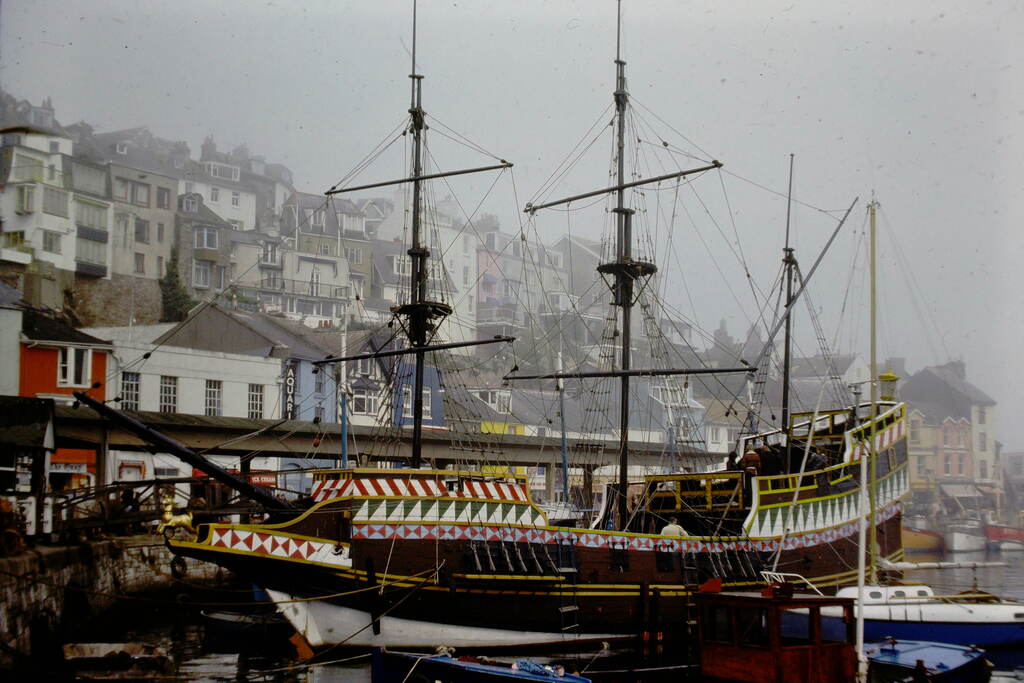
Padstow harbor charm 1970 till today
🏙 Historic and Cultural Cities of England
England has over 50 official cities, many of which date back to Roman or medieval times. Here are some of the most historically and culturally significant.
1. York
One of England’s most historic cities.
Why it matters:
Roman origins (Eboracum)
Viking heritage
Medieval city walls still largely intact
The magnificent York Minster
Atmosphere: Cobblestone streets, timber-framed buildings and a compact historic centre.
Travel tip: Walk the city walls early in the morning before tour groups arrive.
2. Bath
A UNESCO-listed Georgian masterpiece.
Why it matters:
Roman Baths complex
Georgian crescents and terraces
Elegant 18th-century architecture
Atmosphere: Refined, romantic and beautifully preserved.
Travel tip: Visit midweek for a quieter experience.
3. Oxford
The “City of Dreaming Spires.”
Why it matters:
World-famous university
Medieval colleges
Literary connections
Atmosphere: Academic, historic and visually stunning.
Travel tip: Climb a tower (such as Carfax or a college tower) for panoramic views.
4. Cambridge
Oxford’s historic rival.
Why it matters:
River Cam punting
Ancient colleges
Scientific and intellectual heritage
Atmosphere: Elegant, green and peaceful along the river.
Travel tip: Try punting early evening for golden-hour reflections.
5. Canterbury
A spiritual and medieval centre.
Why it matters:
Canterbury Cathedral
Pilgrimage history
Roman and medieval streets
Atmosphere: Compact, charming and deeply historic.
6. Durham
One of England’s most dramatic small cities.
Why it matters:
Norman cathedral and castle
River Wear setting
UNESCO heritage site
Atmosphere: Compact and striking, especially at sunset.
7. Chester
A city of Roman walls and black-and-white buildings.
Why it matters:
Roman amphitheatre
Medieval shopping “Rows”
Complete city walls circuit
Atmosphere: Distinctive and beautifully preserved.
🏘 Historic Market Towns and Cultural Centres
England’s towns often grew from medieval markets or strategic river crossings. Many are just as fascinating as cities.
1. Stratford-upon-Avon
Birthplace of Shakespeare.
Why visit:
Tudor houses
Theatre culture
Riverside walks
2. Windsor
Home to Windsor Castle.
Why visit:
Royal heritage
Thames riverside
Historic streets
3. Whitby
A dramatic seaside town.
Why visit:
Gothic abbey ruins
Fishing heritage
Coastal cliffs
4. Rye
A former smuggling port.
Why visit:
Medieval cobbled streets
Timber-framed houses
Historic inns
5. Ludlow
A foodie favourite.
Why visit:
Castle ruins
Culinary festivals
Medieval charm
🌿 England’s Most Beautiful and Important Villages
Villages often preserve England’s most authentic rural character.
1. Castle Combe
Often described as one of the prettiest villages in England.
Why visit:
Stone cottages
Quiet lanes
Film location setting
2. Bibury
Famous for Arlington Row.
Why visit:
Cotswold stone architecture
River views
Classic countryside scenery
3. Clovelly
A steep cobbled village overlooking the sea.
Why visit:
Car-free streets
Harbour views
Unique atmosphere
4. Hawkshead
A Lake District gem.
Why visit:
Whitewashed cottages
Literary connections
Narrow alleys
5. Lavenham
One of England’s best-preserved medieval villages.
Why visit:
Crooked timber-framed houses
Rich wool-trade history
Fairytale appearance
How to Plan a Trip Around England’s Towns and Villages
Combine Cities and Countryside
Pair a major city (York, Bath, Oxford) with nearby villages for a balanced experience.
Travel by Train Where Possible
England’s rail network connects most major cities efficiently. Smaller villages often require a car.
Stay Overnight
Day-trippers leave by evening — staying overnight gives you quieter streets and better photographs.
Visit in Shoulder Season
May, June, September and October offer good weather and fewer crowds.
Look Beyond the Famous Names
Many lesser-known towns can be just as rewarding as the famous ones — and much quieter.
Our Final Thoughts
England’s cities, towns and villages form a layered tapestry of Roman foundations, medieval markets, Tudor timber houses, Georgian elegance and Victorian industry. Each settlement — whether large or small — reflects a different chapter of England’s story.
From cathedral cities to coastal harbours and rural stone villages, exploring England’s settlements is like travelling through time — one cobbled street at a time.