
Comprehensive list of the National Parks and protected areas of England
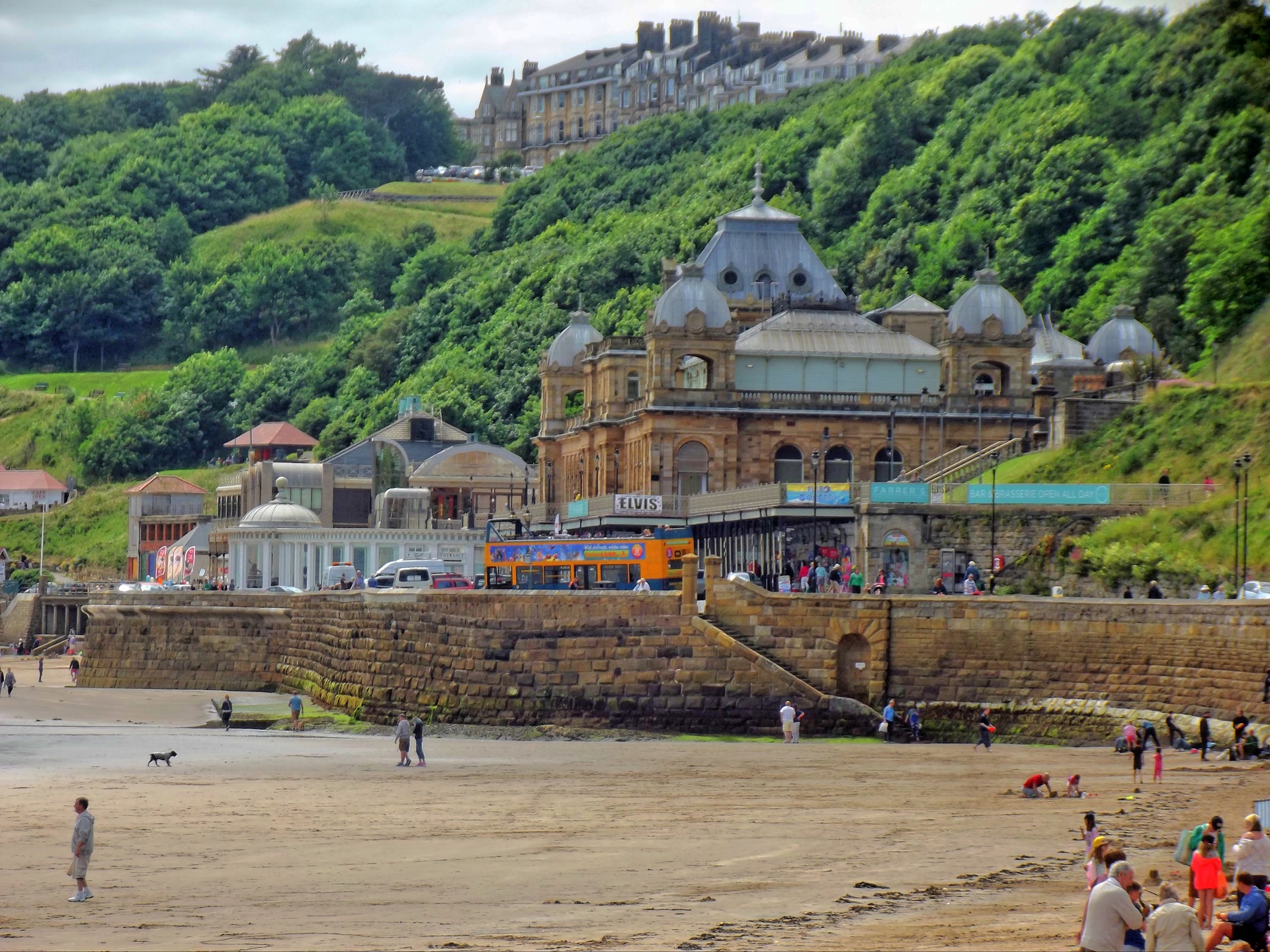
A Complete Guide to the National Parks and Protected Areas of England
England may be compact compared to many countries, but its landscapes are remarkably diverse. From rugged mountains and windswept moorlands to ancient forests, dramatic coastlines and peaceful wetlands, England’s protected areas preserve some of the most beautiful and culturally rich scenery in Europe.
Whether you're planning a hiking adventure, a photography trip, or a slow countryside escape, this comprehensive guide explores all National Parks and the main protected landscapes of England, with practical travel tips throughout.
Search our Network. Start here.
🌄 The 10 National Parks of England
England has 10 National Parks, covering around 10% of the country. These landscapes are protected not only for nature, but also for their cultural heritage, farming traditions and historic settlements.
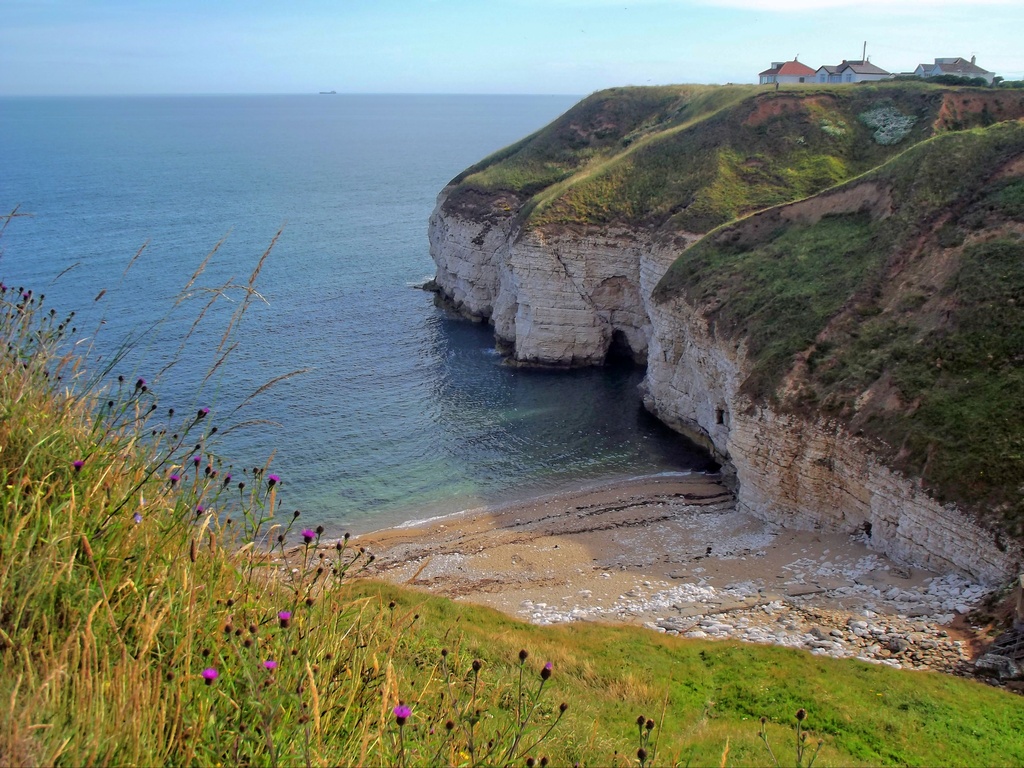
Coastal England
1. Lake District National Park
England’s largest National Park and a UNESCO World Heritage cultural landscape.
Famous for:
England’s highest mountain, Scafell Pike
Deep glacial lakes such as Windermere and Ullswater
Literary heritage linked to William Wordsworth
Why visit: Dramatic mountain scenery, classic hiking routes, scenic boat trips.
Travel tip: Visit in late spring or early autumn to avoid peak summer crowds. Weather changes quickly — pack waterproof layers even on sunny days.
2. Peak District National Park
The first National Park in England (established 1951).
Famous for:
Rolling limestone valleys (White Peak)
Gritstone edges and dramatic ridges (Dark Peak)
Historic villages and stately homes
Why visit: Excellent hiking, cycling trails and easy access from Manchester and Sheffield.
Travel tip: Sunrise at Mam Tor offers breathtaking views without the daytime crowds.
3. Dartmoor National Park
A wild, atmospheric landscape of granite tors and open moorland.
Famous for:
Prehistoric stone rows
Wild Dartmoor ponies
Remote walking routes
Why visit: One of England’s most rugged and mysterious landscapes.
Travel tip: Fog can descend quickly — carry a proper map and navigation tools.
4. Exmoor National Park
Where moorland meets dramatic coastline.
Famous for:
High sea cliffs
Red deer
Dark Sky Reserve status
Why visit: Incredible stargazing and peaceful coastal walking.
Travel tip: Stay overnight to experience the dark skies — some of the best in southern England.
5. North York Moors National Park
Sweeping heather moorlands and a spectacular coastline.
Famous for:
Purple heather blooms in late summer
Historic fishing villages
Steam railways
Travel tip: Visit in August for peak heather season.
6. Yorkshire Dales National Park
Green valleys, limestone pavements and stone-built villages.
Famous for:
Waterfalls such as Aysgarth Falls
Dry stone walls
Underground cave systems
Travel tip: Bring sturdy footwear — paths can be rocky and uneven.
7. South Downs National Park
Rolling chalk hills stretching to the English Channel.
Famous for:
The Seven Sisters cliffs
The South Downs Way walking trail
Vineyard landscapes
Travel tip: Ideal for cycling; rent an e-bike if you prefer gentler climbs.
8. Northumberland National Park
England’s least populated National Park.
Famous for:
Vast open skies
Sections of Hadrian’s Wall
Dark Sky status
Travel tip: Perfect for solitude seekers and astrophotographers.
9. The Broads
A unique wetland landscape often described as Britain’s “inland waterways.”
Famous for:
Boat holidays
Windmills
Rare birdlife
Travel tip: Renting a small electric boat is beginner-friendly and peaceful.
10. New Forest National Park
Ancient woodland once used as royal hunting grounds.
Famous for:
Free-roaming ponies
Heathlands and oak forests
Cycling routes
Travel tip: Drive slowly — animals often wander onto roads.
🌿 Areas of Outstanding Natural Beauty (AONBs)
In addition to National Parks, England has 34 AONBs. These areas receive landscape protection but are generally less crowded and more rural.
Some of the most notable include:
Cotswolds
Isle of Wight
Norfolk Coast
Chiltern Hills
Malvern Hills
Why consider AONBs?
They often offer the same beauty as National Parks with fewer visitors and more affordable accommodation.
🌾 Other Protected Landscapes
England also protects nature through:
National Nature Reserves (200+)
Sites of Special Scientific Interest (4,000+)
UNESCO World Heritage Sites
Heritage Coast designations
These safeguard wetlands, chalk cliffs, ancient forests, heathlands and rare wildlife habitats.
Practical Tips for Exploring England’s Protected Areas
Best Time to Visit
May–June: Long daylight, wildflowers, fewer tourists
September–October: Beautiful autumn colours, quieter trails
Transport
Some parks (Peak District, Lake District) have good rail links.
Remote areas (Dartmoor, Northumberland) are best explored by car.
Accommodation
Book early in summer.
Consider small villages just outside park boundaries for better prices.
Responsible Travel
Follow the countryside code.
Close gates behind you.
Take litter home.
Respect livestock and wildlife.
Our Final Thoughts
England’s protected landscapes are far more than scenic backdrops — they are living environments shaped by centuries of farming, conservation and cultural tradition. From mountain summits to marshland waterways, every National Park and protected area tells a different story.
Whether you are seeking adventure, history, wildlife or peaceful countryside escapes, England’s protected landscapes offer something extraordinary in every season.