
Heritage Railways and Heritage Museums of England
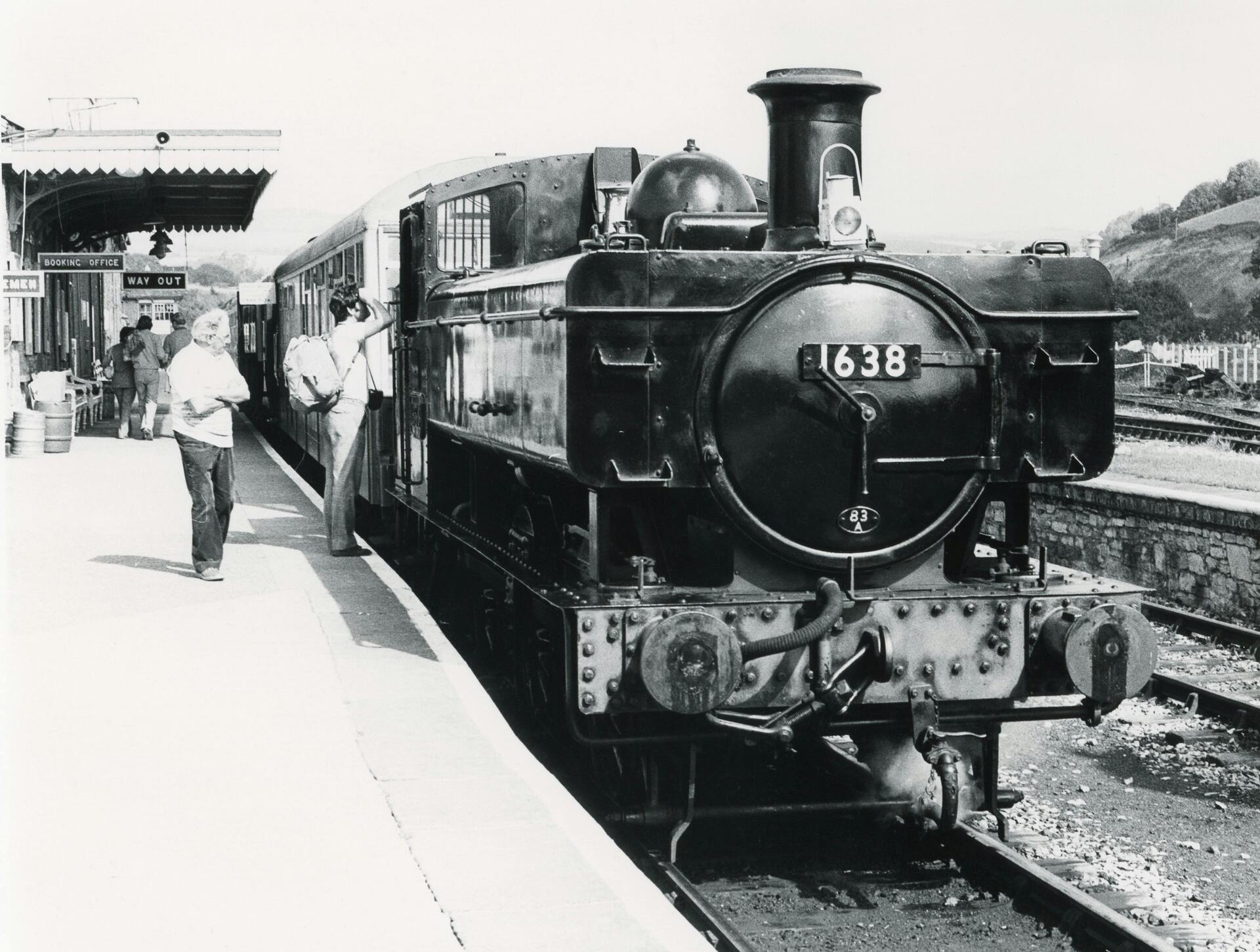
🚂 Heritage Railways & Industrial Museums of England
A Complete Guide to Steam, Steel, Innovation and Living History
England is the birthplace of the railway and the heart of the Industrial Revolution. It was here that steam power transformed transport, factories reshaped cities, and engineering innovations changed the world forever.
Today, England preserves this extraordinary legacy through an impressive network of heritage railways and major industrial museums. From steam trains winding through countryside to former coal mines, dockyards and textile mills, these sites bring history vividly to life.
Search our Network. Start here.
This comprehensive guide is structured into:
🚂 Major Heritage Railways
🏭 Industrial & Transport Museums
🗺️ Regional travel suggestions
🚂 Major Heritage Railways of England
England has over 100 preserved railways. Below are the most significant and visitor-friendly lines, known for length, historic importance or scenery.
1. North Yorkshire Moors Railway
📍 North Yorkshire
One of the longest and most famous heritage railways in Britain. Steam trains run across 24 miles of moorland between Pickering and Whitby.
Why visit:
Dramatic heather landscapes
Classic steam locomotives
Connections to Whitby on the coast
2. Severn Valley Railway
📍 Worcestershire & Shropshire
A beautifully preserved line running along the River Severn between Kidderminster and Bridgnorth.
Highlights:
Restored stations
Period signal boxes
Special dining and themed events
3. Bluebell Railway
📍 East & West Sussex
One of the first preserved standard-gauge railways in the world.
Why it matters:
Exceptional collection of Victorian and Edwardian carriages
Traditional country stations
Strong volunteer heritage movement
4. West Somerset Railway
📍 Somerset
England’s longest heritage railway (over 20 miles).
Experience:
Coastal views near Minehead
Countryside stations
Steam and heritage diesel services
5. Keighley and Worth Valley Railway
📍 West Yorkshire
Famous as a filming location (including “The Railway Children”).
What makes it special:
Industrial heritage setting
Compact and atmospheric
Strong local character
6. Great Central Railway
📍 Leicestershire
The UK’s only double-track mainline heritage railway.
Unique feature:
Passing steam trains recreate authentic mainline scenes
Large preserved locomotives
7. Isle of Wight Steam Railway
📍 Isle of Wight
A charming line preserving Victorian and Edwardian rolling stock.
Atmosphere:
Rural nostalgia
Well-curated railway museum
Ideal family day out
8. Dartmouth Steam Railway
📍 Devon
Steam trains running along the River Dart estuary.
Why go:
Coastal scenery
Combined rail and boat excursions
Easy pairing with Dartmouth town
🏭 Major Heritage & Industrial Museums of England
England’s industrial past spans coal, iron, textiles, shipping, canals and aviation. These museums preserve and interpret that legacy.
1. National Railway Museum
📍 York
The world’s largest railway museum.
See:
Stephenson’s Rocket
Mallard (world steam speed record holder)
Royal trains
Interactive engineering displays
A must-visit for anyone interested in transport history.
2. Ironbridge Gorge Museums
📍 Shropshire
Located in the birthplace of the Industrial Revolution.
Includes:
Blists Hill Victorian Town
Coalbrookdale Museum of Iron
The Iron Bridge itself
A full immersion in 18th and 19th century industrial life.
3. Beamish Museum
📍 County Durham
An open-air living history museum.
Experience:
Ride historic trams
Enter Edwardian shops
Explore coal mining heritage
One of England’s most engaging historical experiences.
4. Black Country Living Museum
📍 West Midlands
Celebrates the industrial powerhouse region around Birmingham.
Highlights:
Underground mine tour
Canal boats
Historic workshops
5. National Coal Mining Museum for England
📍 Wakefield, West Yorkshire
A former working colliery.
What to expect:
Underground guided mine tours
Stories of miners’ lives
Industrial machinery displays
6. Museum of Science and Industry
📍 Manchester
Housed on the site of the world’s first passenger railway station.
Focus:
Textile machinery
Steam engines
Early computing and aviation
7. Chatham Historic Dockyard
📍 Kent
A preserved naval dockyard.
Why visit:
Historic warships
Ropewalk demonstrations
Maritime engineering history
8. RAF Museum London
📍 London
Aviation heritage museum.
See:
Historic aircraft
Battle of Britain exhibits
Cold War jets
🗺️ How to Structure a Heritage Journey
Northern England Focus
York → National Railway Museum
County Durham → Beamish
North Yorkshire Moors Railway
Midlands Industrial Route
Ironbridge Gorge
Black Country Living Museum
Great Central Railway
Southern Steam & Coast
Bluebell Railway
Isle of Wight Steam Railway
Chatham Dockyard
🚆 Travel Tips
Many heritage railways connect directly or indirectly to mainline railway stations, making car-free travel feasible.
Check seasonal timetables — most railways operate from spring to autumn, with winter specials.
Pre-book event days (steam galas, dining trains, 1940s weekends).
Combine one railway ride with a nearby industrial museum for a deeper understanding of how transport and industry shaped England.
🌍 Our Final Thoughts
England’s heritage railways and industrial museums are not simply nostalgic attractions — they are powerful reminders that modern global industry began here. Steam locomotives, iron bridges, textile mills and shipyards transformed society, and these preserved sites keep that story alive.
Whether you’re a railway enthusiast, industrial historian or curious traveller, England offers one of the richest heritage transport landscapes in the world — where steam still whistles, engines still turn, and history remains wonderfully tangible.