
Abbeys and other Heritage sites of Wales

South Wales
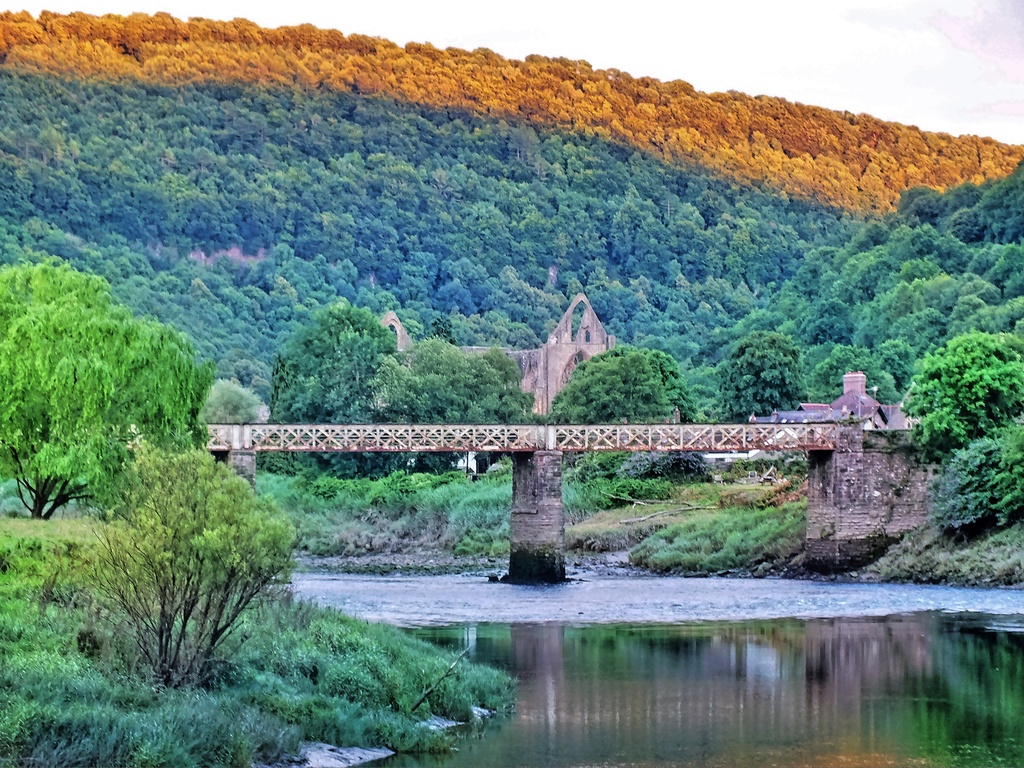
Tintern Abbey (1131, Cistercian)
One of the most famous Gothic ruins in Britain, located in the Wye Valley. Dissolved in 1536.
Neath Abbey (1129, Cistercian)
Once one of the wealthiest Welsh monasteries. Substantial ruins survive.
Margam Abbey (1147, Cistercian)
Founded by Robert, Earl of Gloucester. The nave survives as a parish church.
Llantarnam Abbey (1179, Cistercian)
Now a Carmelite retreat centre; much rebuilt.
Whitland Abbey (1140, Cistercian)
Important early Cistercian house; today mostly earthworks.
Talley Abbey (1184, Premonstratensian)
Impressive twin-towered west front ruins.
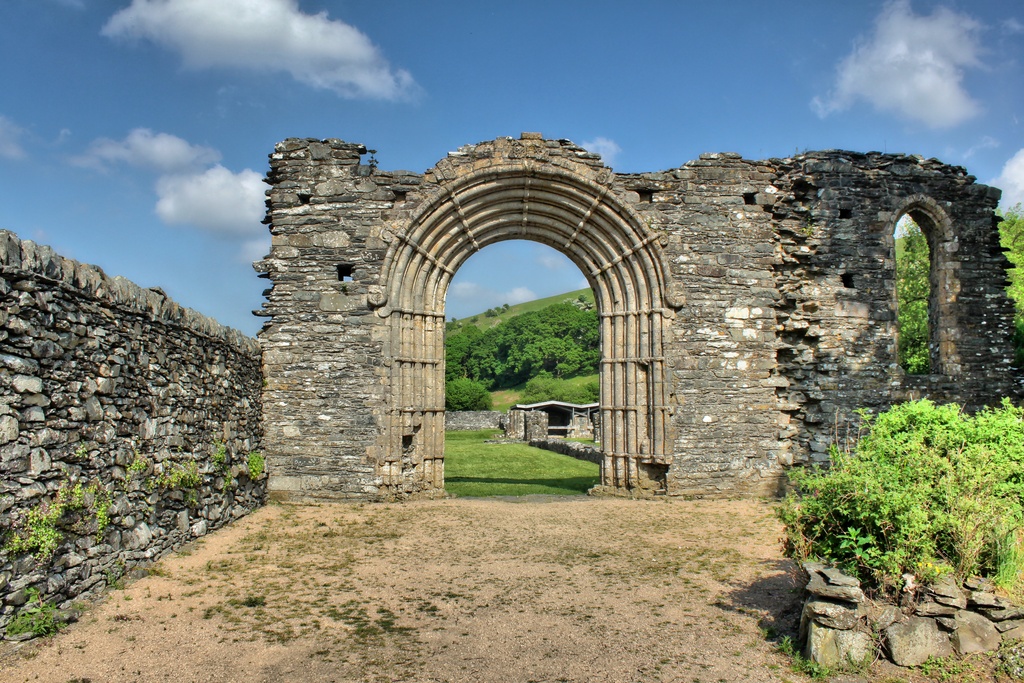
Strata Florida Abbey (1164, Cistercian)
Major political and cultural centre; burial place of Welsh princes.
Grace Dieu Abbey (1226, Cistercian nunnery)
Small convent; limited remains.
Search our Network. Start here.
Mid Wales
Cwmhir Abbey (1143, Cistercian)
Planned as the largest church in Wales; now dramatic ruins.
Abbey Cwmhir
(Alternative English name of Cwmhir Abbey; same site.)
North Wales
Valle Crucis Abbey (1201, Cistercian)
Among the best-preserved abbey ruins in Wales.
Basingwerk Abbey (1132, Cistercian)
Important border abbey near the Dee estuary.
Conwy Abbey (1186, Cistercian)
Later moved to Maenan; original site largely vanished.
Maenan Abbey (13th century, Cistercian)
Relocated community from Conwy; fragments remain.
Active Monastic Abbeys Today
Caldey Abbey (1906, Trappist/Cistercian)
Active monastery on Caldey Island; monks produce chocolate and perfume.
Holy Cross Abbey (1990, Cistercian)
Modern Cistercian monastery near Whitland.
Summary
Approximate total medieval monastic foundations in Wales: ~60
Major abbeys (listed above): 15 principal sites
Most belonged to the Cistercian Order
Most were dissolved 1536–1540
Two active abbeys remain today