
Castles of Wales - North Wales, Mid Wales and South Wales

Wales has 600+ recorded castles and fortified sites, ranging from Roman legionary fortresses to medieval princely strongholds, Edwardian royal castles, marcher fortresses, town walls, and later defended manor houses.
Below is a comprehensive regional list for North Wales first, including Roman forts and fortifications, followed by the principal medieval castles and town walls.
🛡️ NORTH WALES
🏛️ Roman Forts & Fortifications (North Wales)
Deva Victrix
Major legionary fortress (modern Chester, just across today’s border but key to North Wales control).
Segontium
Important Roman fort overlooking the Menai Strait (AD 77).
Canovium
Roman auxiliary fort guarding inland routes.
Branodunum (Tomen y Mur)
Roman fort and amphitheatre remains in Snowdonia.
Varis (St Asaph)
Probable Roman fort site.
Canovium (Caerhun)
Fort controlling Conwy Valley (often simply called Caerhun Roman Fort).
🏰 Edward I’s Castles (“Iron Ring”)
Built after the conquest of Wales (late 13th century) by Edward I of England.
Caernarfon Castle
Massive polygonal towers; UNESCO World Heritage Site.
Conwy Castle
Exceptionally preserved fortress with town walls.
Harlech Castle
Dramatic clifftop stronghold.
Beaumaris Castle
Perfect example of concentric castle design.
🏰 Native Welsh Princes’ Castles (Pre-Edwardian)
Dolwyddelan Castle
Linked to Llywelyn the Great.
Castell y Bere
Mountain stronghold of the princes of Gwynedd.
Dolbadarn Castle
Strategic round tower fortress.
Ewloe Castle
Welsh-built woodland castle.
🏰 Marcher & Norman Castles (North Wales)
Flint Castle
First of Edward’s North Wales castles (1277).
Rhuddlan Castle
Strategic river fortress.
Denbigh Castle
Large walled fortress above the town.
Chirk Castle
Still inhabited; later adapted as stately home.
Holt Castle
Now largely ruined; once key border fortress.
Ruthin Castle
Later converted into a manor and hotel.
🏰 Town Walls & Fortified Settlements
Conwy Town Walls
Nearly complete medieval town walls.
Caernarfon Town Walls
Integrated with the castle defences.
📊 NORTH WALES SUMMARY
Roman forts: ~10 known sites (major listed above)
Major medieval castles: 20+
UNESCO World Heritage castles: 4
Total fortified sites (including earthworks & minor motte castles): 150+
If you would like, next I can continue with:
🛡️ Mid Wales – full list (Roman + Welsh + Norman)
🏰 South Wales – very large section (over 200 castles & sites)
Search our Network. Start here.
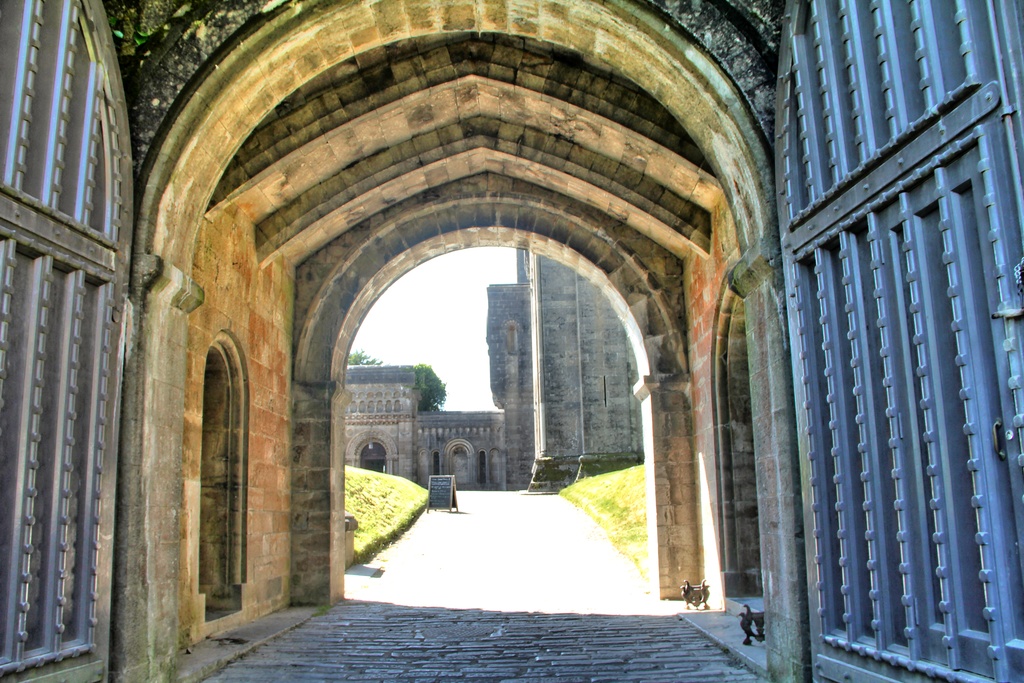
Below is a comprehensive list of castles and Roman fortifications in Mid Wales (primarily Powys and Ceredigion), including Roman military sites, native Welsh princely castles, and Norman/Marcher strongholds.
Mid Wales has fewer large stone castles than North or South Wales, but it has many earthwork mottes, ringworks, and strategic frontier fortresses.
🏛️ ROMAN FORTS – MID WALES
Mid Wales was heavily militarised during the Roman conquest of the Ordovices tribe.
Caersws Roman Fort (Mediolanum)
Important Roman auxiliary fort controlling central Wales and road junctions.
Cefn Caer
Recently confirmed large Roman fort; significant military site.
Tomen y Mur
Roman fort and amphitheatre remains (sometimes geographically grouped with Mid Wales depending on boundary definitions).
Llanio Roman Fort (Bremia)
Important Roman cavalry fort near Llanddewi Brefi.
Pen y Gaer
Smaller Roman fort guarding coastal routes.
🏰 NATIVE WELSH PRINCES’ CASTLES (Mid Wales)
Built largely by the princes of Powys and Deheubarth.
Castell y Bere
(Politically linked to Mid Wales though geographically near the boundary.) Fortress of Llywelyn ap Gruffudd.
Carreg Cennen Castle
Dramatic cliff-top Welsh stronghold (later rebuilt by Normans).
Dinas Brân
Ruined hilltop fortress with earlier Welsh origins.
Cefnllys Castle
Contested frontier fortress between Welsh princes and Marcher lords.
🏰 NORMAN / MARCHER CASTLES – MID WALES
Mid Wales formed a volatile border zone between Norman Marcher lords and Welsh princes.
POWYS
Montgomery Castle
Stone fortress overlooking the Severn Valley.
Dolforwyn Castle
Built by Llywelyn ap Gruffudd; later captured by Edward I.
Powis Castle
Originally medieval fortress; later transformed into a stately home.
Newtown Motte and Bailey
Earthwork remains of Norman fortification.
Llanidloes Motte
Small Norman earthwork castle.
CEREDIGION
Aberystwyth Castle
Edwardian stone castle on the coast.
Cardigan Castle
Originally Norman; later rebuilt in stone.
Ystrad Meurig Motte
Earthwork castle remains.
Lampeter Castle
Small Norman motte site.
🏰 Smaller Motte-and-Bailey & Earthwork Sites (Representative List)
Mid Wales contains dozens of minor mottes, many now low earthworks. Notable examples include:
Knucklas Castle
Castle Ring (Llanfyllin)
Blaenllynfi Castle
Tomen Cefn Glaniwrch
📊 MID WALES SUMMARY
Roman forts: 5–8 significant sites
Major stone castles: ~10
Motte-and-bailey / earthwork castles: 40+
Key pattern: Frontier warfare between Welsh princes and Marcher lords
Mid Wales is less monumental than North Wales but historically crucial as a contested border region.
🏰 South Wales – complete and largest section (very extensive)
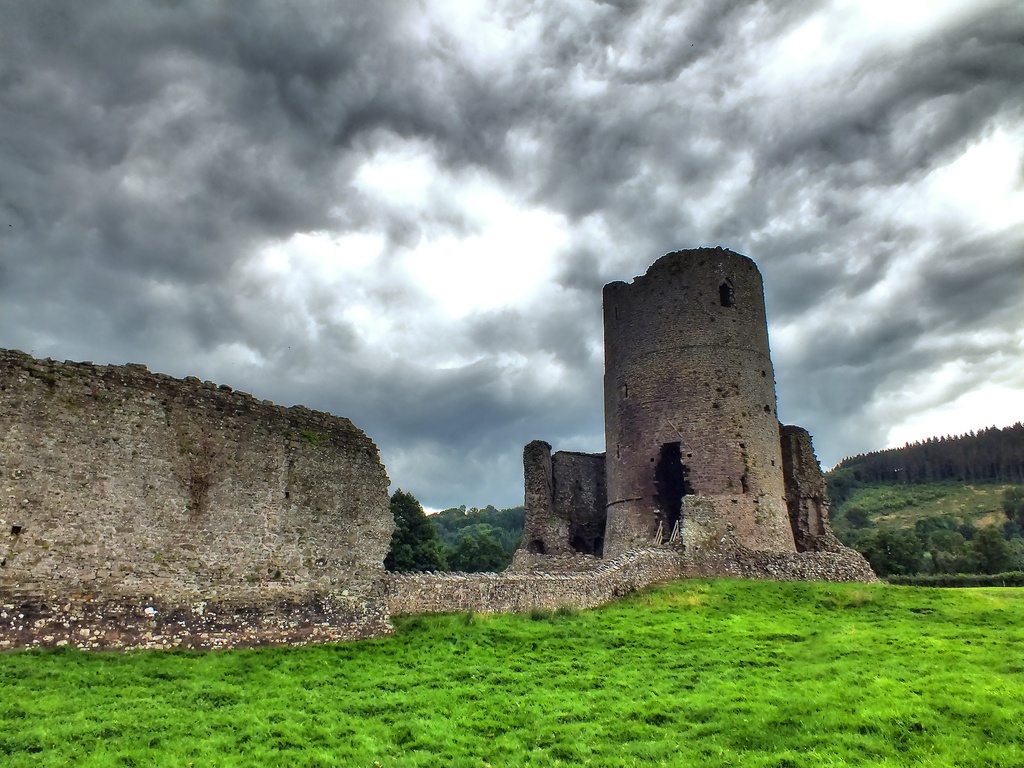
South Wales contains the highest concentration of castles in Britain — especially Norman and Marcher fortresses built to control the Welsh Marches and coastal trade routes.
Below is a comprehensive regional list, including Roman fortifications, Welsh-built strongholds, Norman/Marcher castles, Edwardian works, fortified manor houses, and town walls.
🏛️ ROMAN FORTS & FORTRESSES – SOUTH WALES
South Wales was heavily militarised after the Roman conquest (1st century AD).
Isca Augusta
Major legionary fortress (Legio II Augusta), one of the best-preserved Roman military sites in Britain.
Cardiff Roman Fort
Roman coastal fort later incorporated into Cardiff Castle.
Loughor Roman Fort
Auxiliary fort guarding the River Loughor crossing.
Neath Roman Fort
Early Roman fort later replaced by Norman Neath Castle.
Bremia Roman Fort
(Linked culturally to South/Mid Wales military network.)
🏰 EARLY WELSH & NATIVE STRONGHOLDS
Dinas Powys Hillfort
Post-Roman fortified royal site.
Carreg Cennen Castle
Spectacular cliff-top fortress of Welsh origin, later Norman rebuilt.
Dryslwyn Castle
Stronghold of the princes of Deheubarth.
Newcastle Emlyn Castle
Welsh-built castle later strengthened in stone.
🏰 MAJOR NORMAN & MARCHER CASTLES (GLAMORGAN)
Glamorgan was the most heavily fortified region in Wales.
Cardiff Castle
Roman origins; Norman keep; later Victorian Gothic mansion.
Caerphilly Castle
Second-largest castle in Britain; famous concentric defences and leaning tower.
Castell Coch
Romantic 19th-century Gothic Revival reconstruction on medieval foundations.
Ogmore Castle
Riverside Norman stronghold.
Coity Castle
Well-preserved fortified residence.
Newcastle Castle
Hilltop Norman stone castle.
Kenfig Castle
Ruined castle buried partly by sand dunes.
Fonmon Castle
Fortified manor continuously inhabited.
St Donat's Castle
Medieval castle later restored; now Atlantic College.
Penmark Castle
Small Norman defensive tower.
🏰 GWENT & MONMOUTHSHIRE CASTLES
Chepstow Castle
Oldest surviving post-Roman stone castle in Britain.
Raglan Castle
Late medieval fortress-palace with massive Great Tower.
Caldicot Castle
Large enclosure castle with intact walls.
Usk Castle
Norman castle overlooking River Usk.
Skenfrith Castle
Part of the “Three Castles”.
White Castle
Strong concentric fortress.
Grosmont Castle
The third of the “Three Castles”.
Abergavenny Castle
Norman castle with museum.
🏰 PEMBROKESHIRE CASTLES
Pembrokeshire is known as “Little England beyond Wales” due to Norman settlement.
Pembroke Castle
Birthplace of Henry VII; massive cylindrical keep.
Manorbier Castle
Well-preserved coastal fortress.
Carew Castle
Norman castle with later Tudor mansion features.
Tenby Castle
Clifftop remains overlooking harbour.
Haverfordwest Castle
Large ruined fortress above town.
Wiston Castle
Classic motte-and-bailey earthwork.
🏰 CARMARTHENSHIRE CASTLES
Carmarthen Castle
Important Norman administrative centre.
Kidwelly Castle
Impressive concentric castle overlooking estuary.
Laugharne Castle
Later fortified mansion.
Llandovery Castle
Welsh border fortress repeatedly attacked.
🏰 SWANSEA & NEATH PORT TALBOT
Swansea Castle
Town-centre Norman castle.
Oystermouth Castle
Well-preserved Gower fortress.
Weobley Castle
Fortified manor house.
Neath Castle
Norman castle near earlier Roman fort.
📊 SOUTH WALES SUMMARY
Roman military sites: 5+ major forts
Major Norman/Marcher stone castles: 50+
Motte-and-bailey & earthwork sites: 100+
Densest concentration: Glamorgan & Monmouthshire
Largest castle in Wales: Caerphilly
Oldest major stone castle: Chepstow
South Wales alone contains well over 200 fortified sites, making it the most castle-dense region in Wales.