Westminster Abbey and the Houses of Parliament: what you can see for free, and what costs
A coronation church full of kings, poets and one Scottish missionary carried home from Africa, and next door the Parliament that made the slave trade legal, then made it illegal. How to see both without wasting your money.
Key facts
- Where: Parliament Square, London SW1. Westminster station (Jubilee, District and Circle lines) is across the road.
- Westminster Abbey: roughly £30 to £32 for an adult, with a multimedia guide included. Children 6 to 17 about £14, under 6 free. Book online for a timed slot.
- Abbey hours: sightseeing usually Monday to Saturday, from 9.30am to mid-afternoon. On Sundays it is open for worship only.
- Houses of Parliament: guided tours from about £34 to £40 for an adult, audio tours from about £27. Mostly on Saturdays, plus weekdays when Parliament is in recess.
- Free: watching debates from the public galleries of the Commons and the Lords, attending a service in the Abbey, and Parliament Square itself.
- Time needed: about two hours for the Abbey and 90 minutes for a Parliament tour. Doing both on the same day is tiring but possible.
Westminster Abbey: Britain's national graveyard
Every English and British monarch has been crowned here since 1066. Most visitors come for the royal tombs and the coronation chair, and they are impressive. But the Abbey is really a vast stone archive of who Britain has chosen to honour, and who it has not.
What to look for
- The Coronation Chair: made around 1300 and used at coronations ever since, including in 2023.
- The Lady Chapel: the fan-vaulted ceiling of Henry VII's chapel, and the tombs of Elizabeth I and her half-sister Mary I, buried in the same vault.
- Poets' Corner: Chaucer, Dickens and Hardy, with memorials to Shakespeare and many others.
- The Tomb of the Unknown Warrior: the one grave in the nave nobody is allowed to walk on.
- The nave: the black marble slab of David Livingstone's grave (see below).
Honest verdict
It is expensive and crowded, and on a busy morning you move through it in a slow queue. Go at opening time or late in the day. If you only want to experience the building rather than tour it, go to Evensong: it is free, the choir is excellent, and you sit in the church as it was meant to be used. You will not be able to wander around the tombs, though.
The Houses of Parliament
The Palace of Westminster is mostly a Victorian building, rebuilt after the fire of 1834. The great exception is Westminster Hall, with its medieval hammerbeam roof. The tour takes you through Westminster Hall, the Lords and the Commons, and the lobbies where members vote.
Tours
- Guided tour: about 90 minutes with a guide. Best value if you want to understand how Britain is governed.
- Audio tour: cheaper and at your own pace, with a family version for children.
- When: Saturdays all year, plus most weekdays during the summer, Easter and Christmas recesses. Tickets sell out, so book ahead on the official Parliament website.
- UK residents: can ask their own MP for a free tour.
- Big Ben: the Elizabeth Tower has its own separate tours. Tickets are released months ahead and sell out fast.
Security is airport-style. Bring photo ID and allow extra time at the entrance on Cromwell Green.
What you can do for free
- Watch a debate: when Parliament is sitting (usually Monday to Thursday, and some Fridays), anyone can queue for the public galleries of the Commons and the Lords. Prime Minister's Questions, on Wednesdays at noon, is the hardest to get into.
- Evensong at the Abbey: daily, free, no ticket needed. Check the service times on the Abbey website.
- Parliament Square: statues of Churchill, Gandhi, Lincoln, the suffragist Millicent Fawcett, and Nelson Mandela.
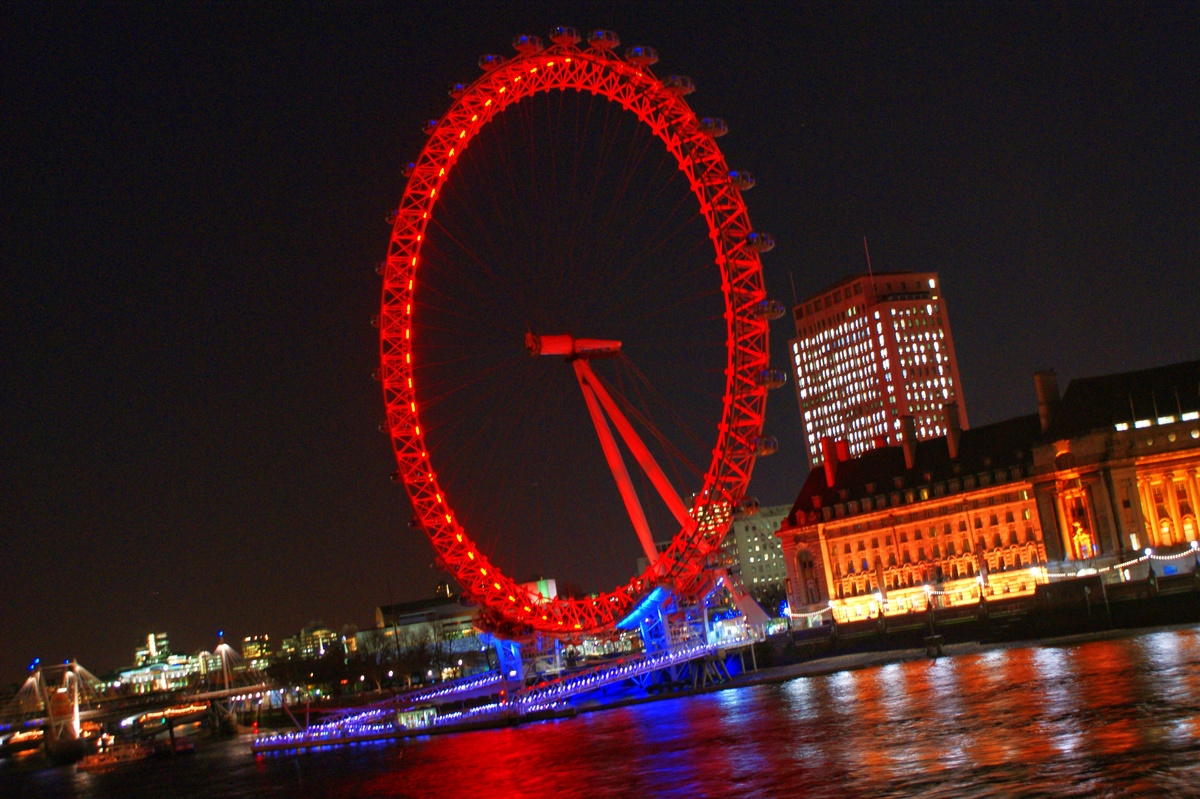
- The river walk: cross Westminster Bridge for the classic view of Parliament, then walk the South Bank east towards the London Eye and Tate Modern.
The Africa story behind these buildings
Parliament and the slave trade
For most of the eighteenth century, Parliament protected the slave trade. Acts passed here regulated it, taxed it and defended it, and planters and merchants sat in both Houses. Then, after decades of campaigning by abolitionists, including Africans living in Britain such as Olaudah Equiano and Ottobah Cugoano, Parliament passed the Slave Trade Act in 1807 and the Slavery Abolition Act in 1833.
The 1833 Act paid £20 million in compensation. The money went to the slave owners. The enslaved received nothing and were forced into years of unpaid "apprenticeship". We tell that story in full on our page on Britain's £20 million payout.
Wilberforce in the Abbey
William Wilberforce, the MP who led the campaign in Parliament, is buried in the Abbey, and his seated statue is in the north choir aisle. Look for it, but remember that the movement was much bigger than one man.
Livingstone's grave
David Livingstone died in 1873 in what is now Zambia. Two of his African companions, Chuma and Susi, carried his body for months to the coast, so that it could be shipped to Britain. He was buried in the nave in 1874. The slab honours Livingstone; the men who made the burial possible are barely remembered here.
Mandela in Parliament Square
The statue of Nelson Mandela was unveiled in 2007, facing the Parliament that once governed South Africa as part of the empire.
Visiting: practical tips
- Getting there: Westminster station; or St James's Park station, five minutes' walk. Many buses stop in Parliament Square.
- Best order: the Abbey at opening time, lunch away from the square, then Parliament in the afternoon.
- Bags: large bags and suitcases are not allowed in either building.
- Food: Parliament Square has nothing cheap. Walk ten minutes towards Victoria or across the river.
- Nearby: the Churchill War Rooms, Horse Guards Parade, and Buckingham Palace, about 15 minutes' walk away through St James's Park.
Tours and experiences
Westminster walking tours, Abbey tickets with a guide, and combined London sightseeing days. Entrance fees are included in the tour price; tips are not included but are always welcome.
Read next
The Africans who led the fight against slavery.
Who was paid when slavery ended, and who was not.
Wren's dome and the money of the City.
Museums, ceremonies, views and parks that cost nothing.
Our hub for the capital.
The African side of the story
Britain Adventures is an independent partner website. Our partner sites on Africa and its history are where the stories on this page continue:
- Pan-African: African Independence · Uganda · Egypt · Sierra Leone · All African Radio Stations
- Ghana: Ghana-Net · Cape Coast Castle · Elmina Castle · James Fort, Accra · They Made Ghana · War Cemetery Cape Coast
- Across Africa: Kenya Web News · Explore Nigeria · Gambia Vibes · Zambia Vibes
- European history: V2 Rocket and Peenemünde · Tannenberg Memorial
Search our Network. Start here.