Abbeys and old churches of Britain: the holy places of Wales, and the best of the rest
Long before the castles, Wales was a land of saints. Hermits settled on islands and headlands, and later the white-robed Cistercian monks built their abbeys in the loneliest valleys they could find. Henry VIII closed them all in the 1530s and stripped the lead from their roofs. What he left behind are some of the most beautiful ruins in Europe, and hundreds of small stone churches still in use after 800 years. Here they are, honestly marked: free entrance or with entrance.
Key facts
- Most Welsh abbey ruins are free: Cadw cares for them, and only the biggest, such as Tintern and the Bishop's Palace at St Davids, charge admission
- Working churches and cathedrals are free to enter; please leave a donation and respect services
- The Cistercians ("white monks") built most of the great Welsh abbeys in remote valleys in the 12th and 13th centuries, and many were patronised by the Welsh princes
- The end: Henry VIII dissolved the monasteries between 1536 and 1540; their lands were sold and their roofs stripped
Free entrance open access or free With entrance admission charged Check arrangements changing, check before you go
The great Welsh abbeys
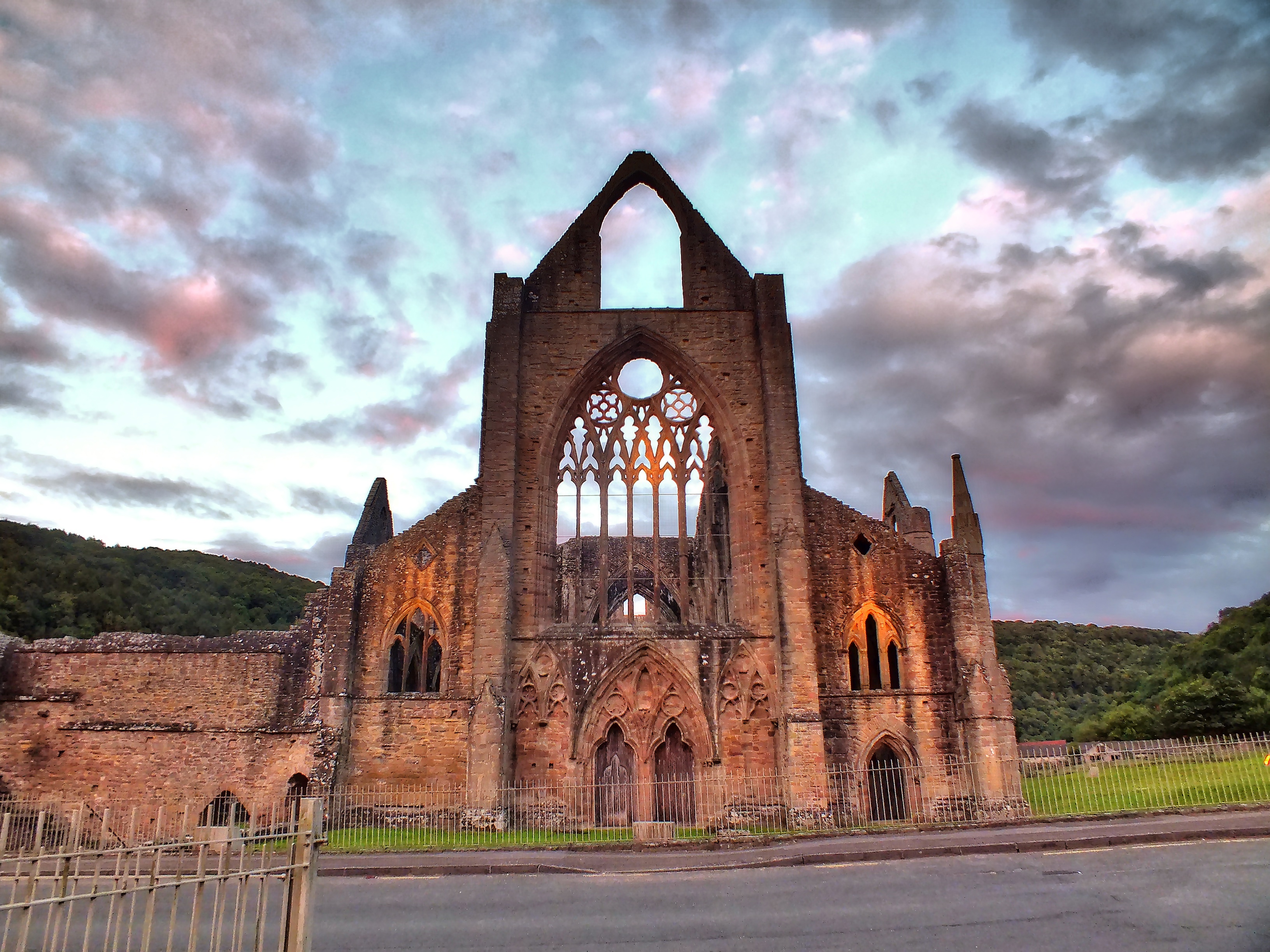
Tintern Abbey, Wye Valley With entrance
Founded in 1131 by Cistercian monks on the banks of the River Wye, Tintern was the richest abbey in Wales when it was dissolved in 1536. Its roofless church, with almost every wall and window still standing, inspired Wordsworth and Turner and made the Wye Valley one of Britain's first tourist destinations. Conservation work is under way, so parts of the church may be closed off; a discount applies while it lasts.
Strata Florida Abbey (Ystrad Fflur), near Pontrhydfendigaid Check
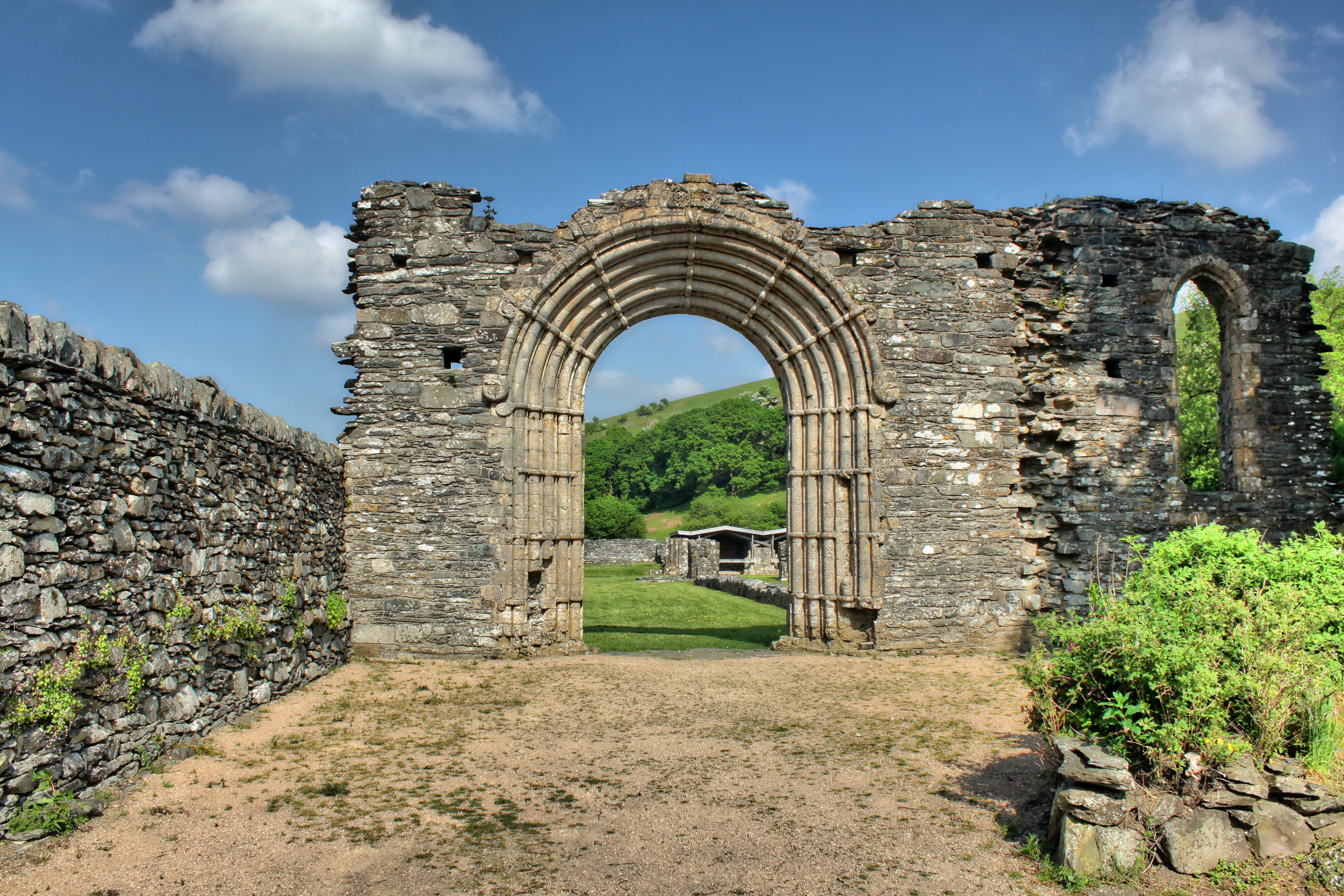
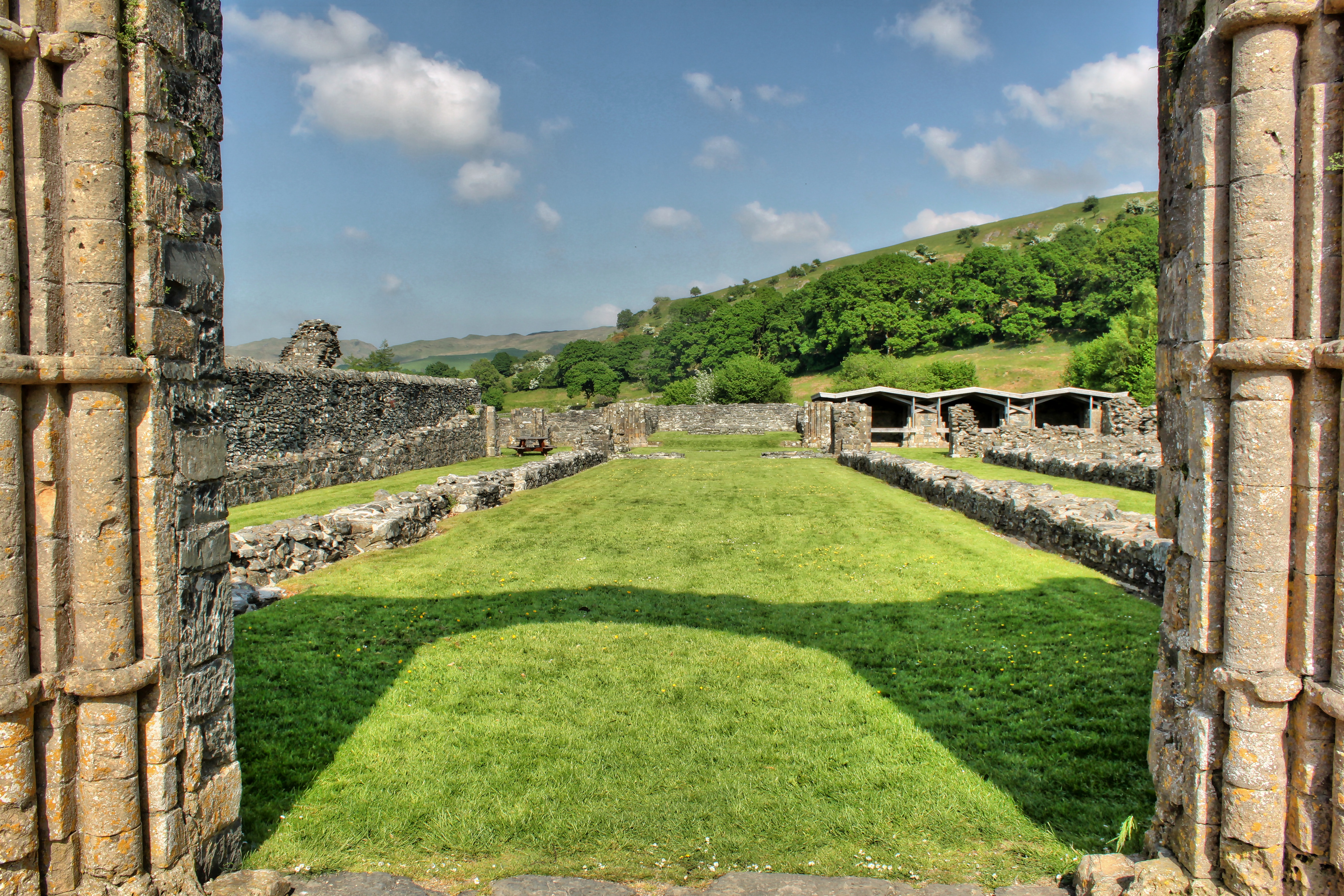
"The Vale of Flowers" in Latin. Founded by Cistercian monks under the patronage of the Lord Rhys, the abbey became the spiritual heart of medieval Wales: generations of Welsh princes are buried here, and the great poet Dafydd ap Gwilym is said to lie under a yew in the churchyard. It has been called "the Westminster Abbey of Wales". The famous carved west doorway still frames the view down the nave to where the high altar stood. The site is now run jointly by Cadw and the Strata Florida Trust, which has reopened the visitor centre; check opening and admission on the trust's website before you travel.
Neath Abbey, Neath Free entrance
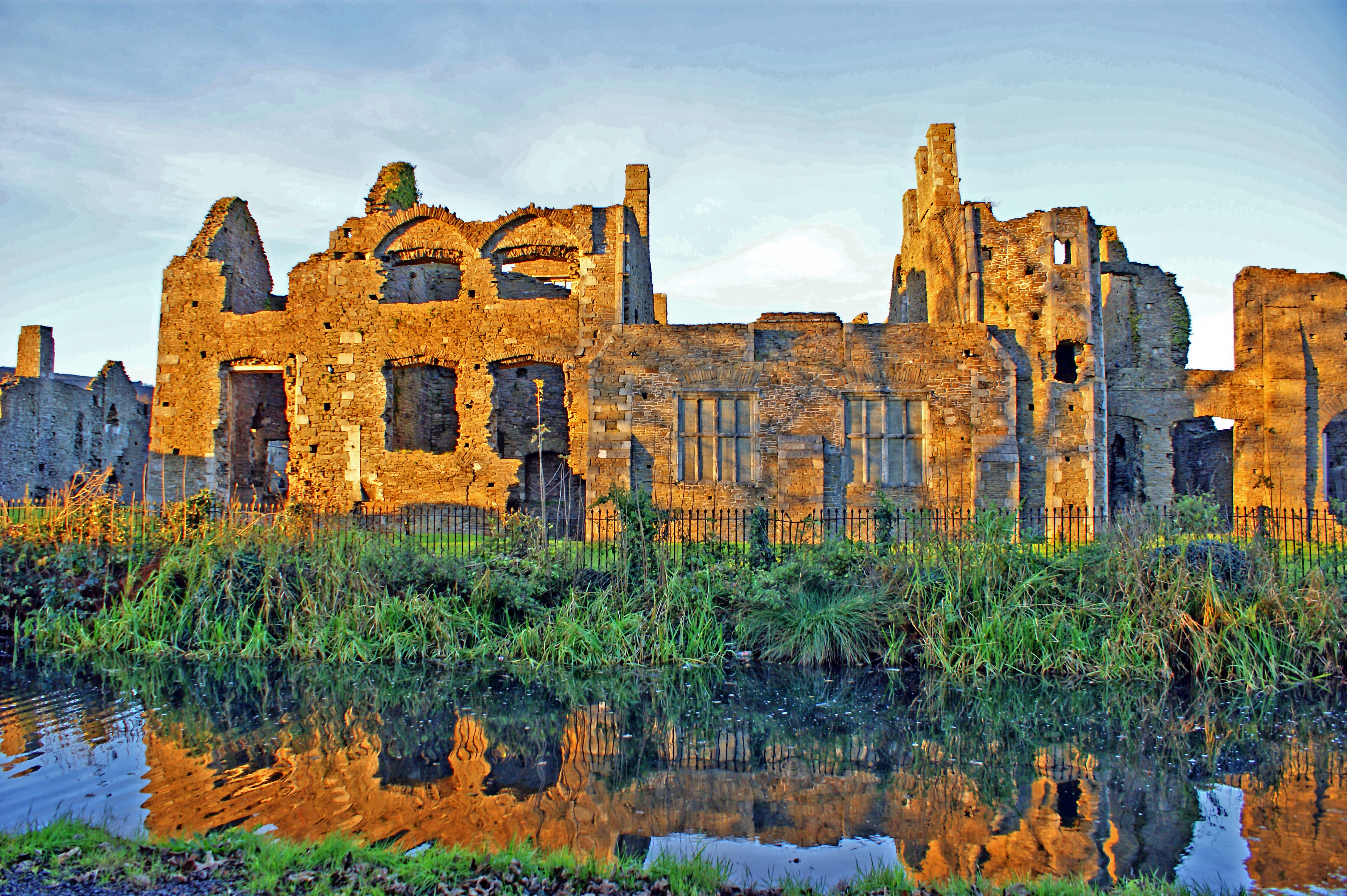
Founded in 1129–30 by Richard de Granville as a house of the Savigniac order, Neath became Cistercian in 1147 and was once the largest abbey in Wales. After the dissolution a Tudor mansion was built inside the ruins, and in the 18th and 19th centuries the site was surrounded by copper works; the Tennant Canal still runs along its southern edge. It is free, rarely crowded, and the walk along the canal towpath gives the best views.
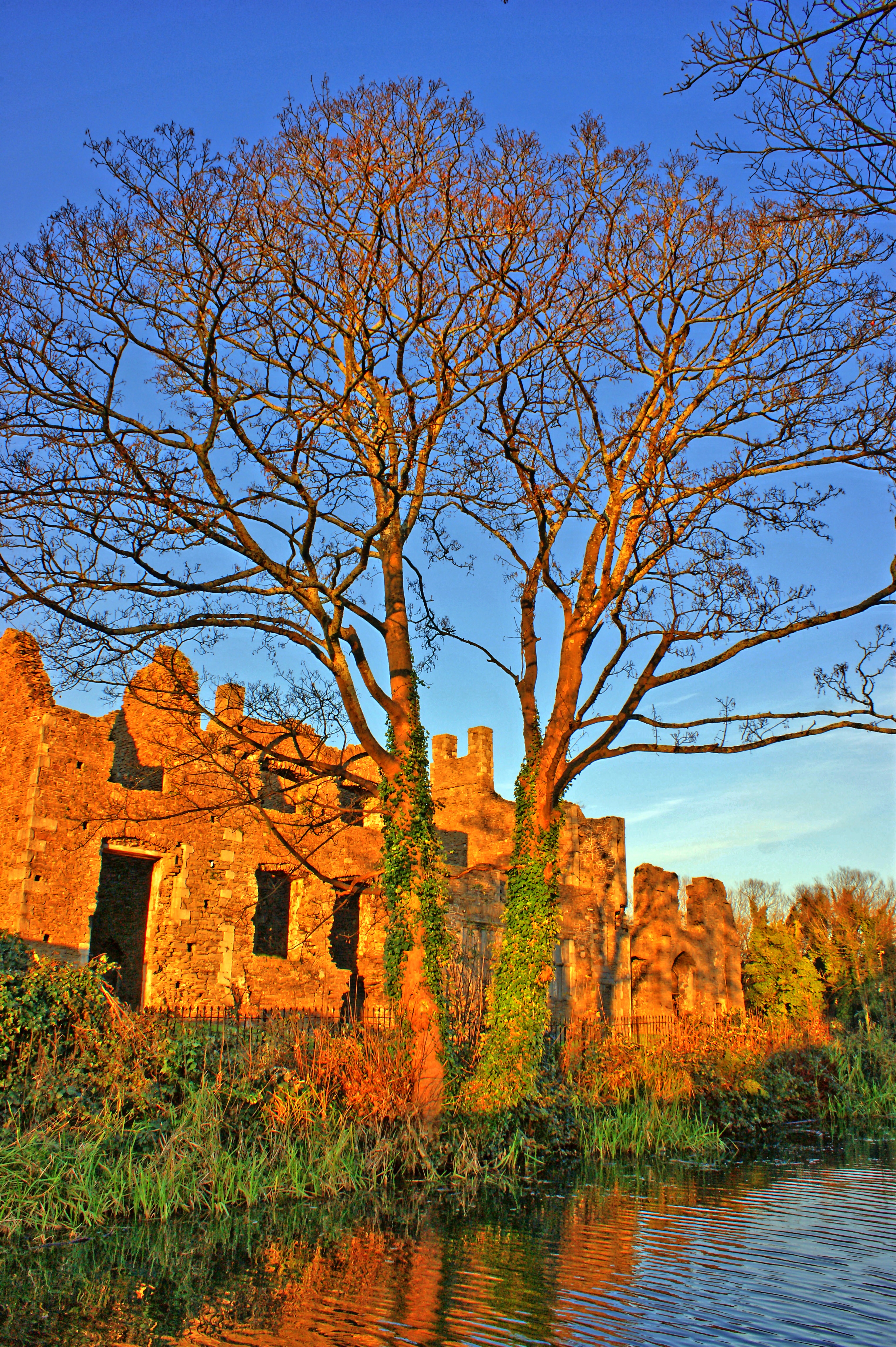
Valle Crucis Abbey, near Llangollen Free entrance
Founded in 1201 by Prince Madog ap Gruffydd of Powys for the Cistercians, it was later praised by Welsh poets for its lavish hospitality. In Wales only Tintern was richer when it was dissolved in 1537. Its west front and the monks' chapter house survive remarkably well. It is now open and unstaffed with no admission charge. Pillar of Eliseg, a 9th-century cross that gave the "Valley of the Cross" its name, stands nearby.
Llanthony Priory, Vale of Ewyas Free entrance
The ruined Augustinian priory sits deep in the Black Mountains, with a pub and hotel built into part of its buildings. Few ruins in Britain have a lonelier, more beautiful setting.
More Welsh abbeys and priories
- Basingwerk Abbey, Greenfield, near Holywell: Cistercian ruins in the Greenfield Valley Heritage Park, on the pilgrim road to St Winefride's Well. Free entrance
- Cymer Abbey, Llanelltyd, near Dolgellau: a small Cistercian ruin beside the Mawddach. Free entrance
- Talley Abbey, near Llandeilo: the only house of the Premonstratensian "white canons" in Wales, by two lakes. Free entrance
- Penmon Priory, Anglesey: a priory church still in use, with St Seiriol's holy well and a dovecote. Free entrance
- St Dogmaels Abbey, near Cardigan: a Tironensian abbey with a visitor centre in the old coach house. Free entrance
- Ewenny Priory, near Bridgend: a fortified Norman priory church, part still used for worship. Free entrance
- Margam Abbey Church and the Margam Stones Museum, near Port Talbot: the abbey church is still in use beside the ruins in Margam Park; the Cadw museum next to it holds early Christian carved crosses, with limited opening. Check
- Haverfordwest Priory, Haverfordwest: an Augustinian priory with a rare restored medieval garden. Free entrance
- Denbigh Friary, Denbigh: the ruined church of the Carmelite friars. Free entrance
- Abbey Cwmhir, Powys: fragments of a Cistercian abbey where, according to tradition, the headless body of Llywelyn ap Gruffudd, the last native Prince of Wales, was buried in 1282. Free entrance
Cathedrals and bishops' palaces
- St Davids Cathedral, St Davids: in a hollow below the smallest city in Britain, at the shrine of the patron saint of Wales; for centuries two pilgrimages here equalled one to Rome. Free entrance (donation welcome)
- St Davids Bishop's Palace, beside the cathedral: a magnificent ruined palace with arcaded parapets. With entrance
- Lamphey Bishop's Palace, near Pembroke: the bishops' country retreat. Free entrance
- Llandaff Cathedral, Cardiff: medieval, bombed in 1941 and rebuilt, with Jacob Epstein's huge "Majestas" Christ. Free entrance
- Brecon Cathedral, Brecon: a former Benedictine priory church. Free entrance
- St Asaph Cathedral, St Asaph: one of the smallest cathedrals in Britain, home of William Morgan's Welsh Bible of 1588. Free entrance
- Bangor Cathedral, Bangor: on one of the oldest Christian sites in Wales, founded by St Deiniol. Free entrance
Old churches, chapels and pilgrim places
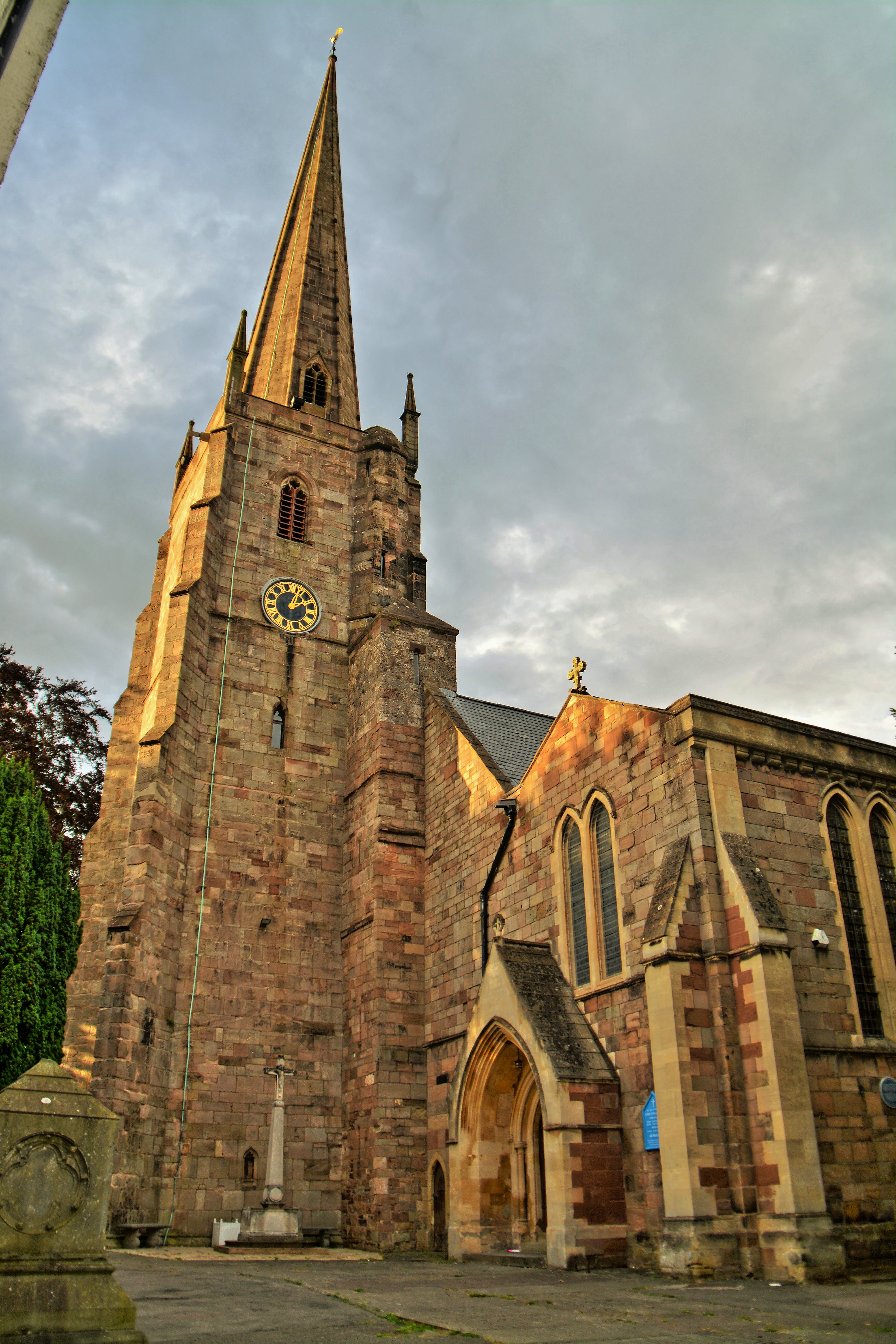
- St Mary's Priory Church, Monmouth: founded as a Benedictine priory by Gwethenoc, Lord of Monmouth, in 1075 and dedicated in 1101; rebuilt in the 18th and 19th centuries, keeping Norman remains, medieval tiles and the 14th-century tower. Free entrance
- St Andrew's Church, Penrice, Gower: a 12th-century Norman church, large for Gower, with narrow slit windows that suggest it once doubled as a place of defence. Free entrance
- St Mary's Priory Church, Abergavenny: called "the Westminster Abbey of Wales" for its tombs, including a great wooden figure of Jesse. Free entrance
- St Illtud's Church, Llantwit Major: on the site of a famous early monastic school, with a collection of carved Celtic stones. Free entrance
- St Giles' Church, Wrexham: a great Perpendicular tower, and the tomb of Elihu Yale, whose fortune from the East India Company in Madras, where he took part in the trade in enslaved people, founded Yale University. Free entrance
- Pennant Melangell, near Llangynog: a remote church with the restored shrine of St Melangell, protector of hares. Free entrance
- Partrishow (Patrisio) Church, Black Mountains: a tiny church with a carved medieval rood screen and a wall painting of Death. Free entrance
- St Beuno's Church, Clynnog Fawr: a large late-medieval pilgrim church on the road to Bardsey. Free entrance
- St Cybi's Church, Holyhead: inside the walls of the Roman fort Caer Gybi. Free entrance
- St Tysilio's Church, Menai Strait: on its own tiny island, reached by a causeway from Menai Bridge. Free entrance
- St Govan's Chapel, Bosherston, Pembrokeshire: a tiny chapel wedged into the sea cliffs; access depends on the military firing range. Free entrance
- St Winefride's Well, Holywell: "the Lourdes of Wales", a place of pilgrimage for over 1,300 years. With entrance
- Rug Chapel and Llangar Old Church, near Corwen: a richly painted private chapel and an old church with medieval wall paintings, both in Cadw care. With entrance
- Bardsey Island (Ynys Enlli), Llŷn: the "island of 20,000 saints", reached by boat from Porth Meudwy in summer. With entrance (boat fare)

England: the great abbeys and cathedrals
- Westminster Abbey, London: coronation church of every monarch since 1066. With entrance
- St Paul's Cathedral, London. With entrance (evensong free, see free things to do in London)
- Canterbury Cathedral and York Minster. With entrance
- Durham Cathedral: the finest Norman cathedral in Europe. Free entrance (donation welcome)
- Fountains Abbey, Yorkshire: the greatest Cistercian ruin in Britain. National Trust. With entrance
- Rievaulx and Whitby abbeys, Yorkshire, and Lindisfarne Priory, Holy Island. English Heritage. With entrance
- Glastonbury Abbey, Somerset: the legendary grave of King Arthur. With entrance
- Kirkstall Abbey, Leeds, and Netley Abbey, Hampshire: fine ruins, open to all. Free entrance
Scotland
- Iona Abbey, Isle of Iona: where St Columba brought Christianity from Ireland in 563. With entrance
- Melrose, Jedburgh and Dryburgh: the Border abbeys. With entrance
- Rosslyn Chapel, near Edinburgh: famous for its carvings. With entrance
- Glasgow Cathedral: the only medieval cathedral on the Scottish mainland to survive the Reformation with its roof intact. Free entrance
- St Andrews Cathedral: the ruined grounds are free; the tower and museum charge. Free entrance With entrance (tower)
Northern Ireland
- Down Cathedral, Downpatrick: by the traditional grave of St Patrick. Free entrance
- Grey Abbey, Greyabbey, and Inch Abbey, near Downpatrick: Cistercian ruins in County Down. Free entrance
- Nendrum Monastic Site, Mahee Island, Strangford Lough: an early Christian monastery with a round tower stump. Free entrance
- Devenish Island, Lough Erne: a monastic island with a complete round tower, reached by seasonal ferry. With entrance (ferry)
Visiting tips
- Go at golden hour: ruins like Neath and Tintern glow in low evening sun, and the crowds have gone.
- Respect working churches: check service times, and leave something in the box; most small churches survive on donations.
- Unlocked or not: many rural churches in Wales stay open in daylight, but some are locked; a notice in the porch usually says where the key is kept.
- Combine them: Tintern with Chepstow and Raglan castles; Valle Crucis with Castell Dinas Brân; Strata Florida with the Elan Valley; Neath Abbey with Neath Castle and Nidum Roman fort. See our Castles of Britain.
Tours
Day trips to the Wye Valley, Tintern and the great cathedrals can be booked in advance. Entrance fees are included in the tour price; tips are not included but are always welcome.
Read next
Almost a hundred Welsh castles, Roman forts and mottes, free or paid.
More holy places and ruins across Wales.
The land of saints, poets and princes.
The African side of the story
Britain Adventures is an independent partner website. Our partner sites on Africa and its history are where the stories on this page continue:
- Pan-African: African Independence · Uganda · Egypt · Sierra Leone · All African Radio Stations
- Ghana: Ghana-Net · Cape Coast Castle · Elmina Castle · James Fort, Accra · They Made Ghana · War Cemetery Cape Coast
- Across Africa: Kenya Web News · Explore Nigeria · Gambia Vibes · Zambia Vibes
- European history: V2 Rocket and Peenemünde · Tannenberg Memorial
Search our Network. Start here.