Penrhyn Castle: Built on Jamaican Slavery and Welsh Slate
A fairy-tale castle in North Wales, paid for by nearly 1,000 enslaved people in Jamaica and thousands of quarrymen in the mountains.
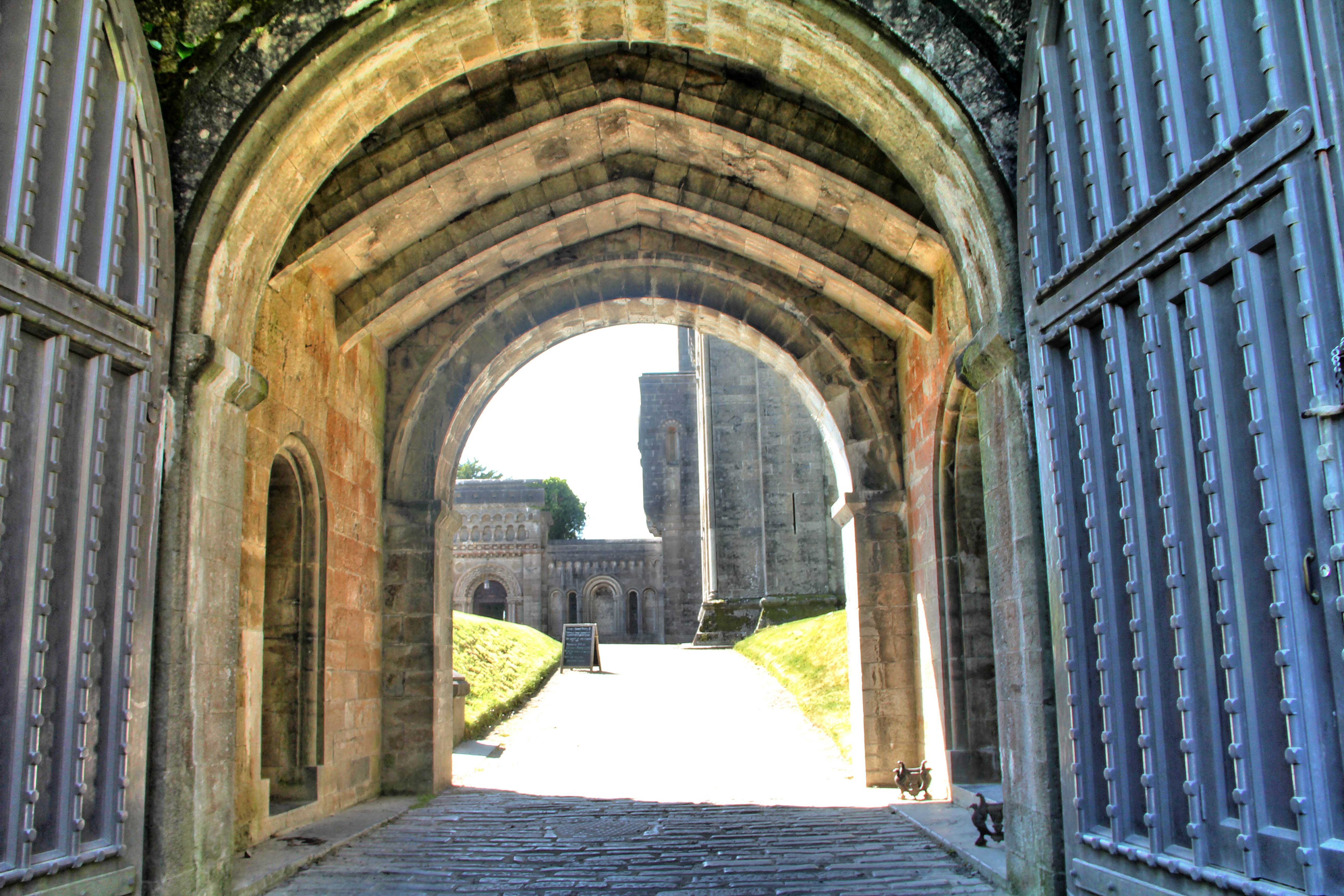
Penrhyn Castle looks like something out of a fairy tale: a vast grey fortress with a keep, towers and battlements, set between the mountains of Eryri (Snowdonia) and the Menai Strait. It is not medieval. It was built in the 1820s and 1830s as a family home, and it was paid for with money from two sources: slate dug out of the Welsh mountains, and sugar grown by enslaved Africans in Jamaica.
Most castles in Wales tell the story of English kings conquering the Welsh. This one tells a different story, about a family that grew rich on enslaved people on one side of the Atlantic and on Welsh quarrymen on the other, and that fought both abolition and the trade unions. The National Trust, which has owned the castle since 1951, now says so openly.
Penrhyn in key facts
- 17th century: Gifford Pennant, from Flintshire, starts buying land in Jamaica and builds up one of the largest estates on the island.
- 1761 to 1784: his descendant Richard Pennant sits in Parliament, including as MP for Liverpool, and becomes a loud opponent of abolition.
- 1805: Richard Pennant owns nearly 1,000 enslaved people on four plantations in Jamaica, an average of 250 per plantation, against a Jamaican average of about 150.
- 1820 to 1837: the castle is rebuilt in neo-Norman style for his heir, George Hay Dawkins-Pennant, by the architect Thomas Hopper.
- 1830s: when slavery ends in the British colonies, the family is paid compensation for 764 enslaved people in Jamaica. The people themselves receive nothing.
- 1900 to 1903: 2,800 quarrymen at the family's Penrhyn Quarry walk out in the longest industrial dispute in British history.
- 1951: the castle passes to the National Trust.
The sugar money: Richard Pennant and Jamaica
Richard Pennant, later the first Baron Penrhyn, never set foot in Jamaica. He ran his plantations from North Wales, through hundreds of letters of instruction to his managers on the island. Those letters still survive, and they show a man who thought about the people he owned in the same breath as his livestock.
"I do not wish the cattle nor the negroes to be overworked."
Richard Pennant, in a letter to his Jamaican managers
In Parliament he spoke for the West India planters and argued against abolition; his speeches are recorded in Hansard. He died in 1808, a year after Britain banned the slave trade, but slavery itself carried on in Jamaica, and so did the family's income from it. In Wales he was remembered as "Richard Pennant the Improver", because he spent his sugar profits on roads, farms, a harbour and, above all, a slate quarry.
The slate money: Penrhyn Quarry and Port Penrhyn
Pennant used his Jamaican fortune to join up the scattered slate pits above Bethesda into one great quarry, and he built Port Penrhyn on the coast near Bangor to ship the slate out. By the late nineteenth century Penrhyn Quarry was the largest slate quarry in the world, worked by nearly 3,000 men, and its slate roofed houses, factories and chapels across Britain and far beyond.
The two fortunes fed each other. Sugar money opened the quarry; slate money built the castle; and the castle was finished just as the family collected its compensation for the people it had owned in Jamaica. The National Trust now calls Penrhyn a key example of how wealth from slavery shaped the buildings of Wales.
The Great Strike, 1900 to 1903
The Pennants were hard masters at home too. In 1900 the second Lord Penrhyn and his quarry manager set out to break the North Wales Quarrymen's Union. On 22 November 1900, 2,800 men walked out of the quarry. The quarry closed, and the dispute dragged on for three years.
Bethesda was torn apart. The families of men who stayed out put a card in their windows reading Nid oes bradwr yn y tŷ hwn: "There is no traitor in this house." Men who went back to work were treated as traitors, and Lord Penrhyn built new houses for them away from the town centre. Choirs from the valley toured Britain to raise money for the strikers' families.
In November 1903 the men who had stayed in the area went back on Lord Penrhyn's terms. The union was bankrupt, many families had left Wales for good, and about a thousand men never returned to the quarry. People in the Ogwen Valley still speak of it today.
The castle today
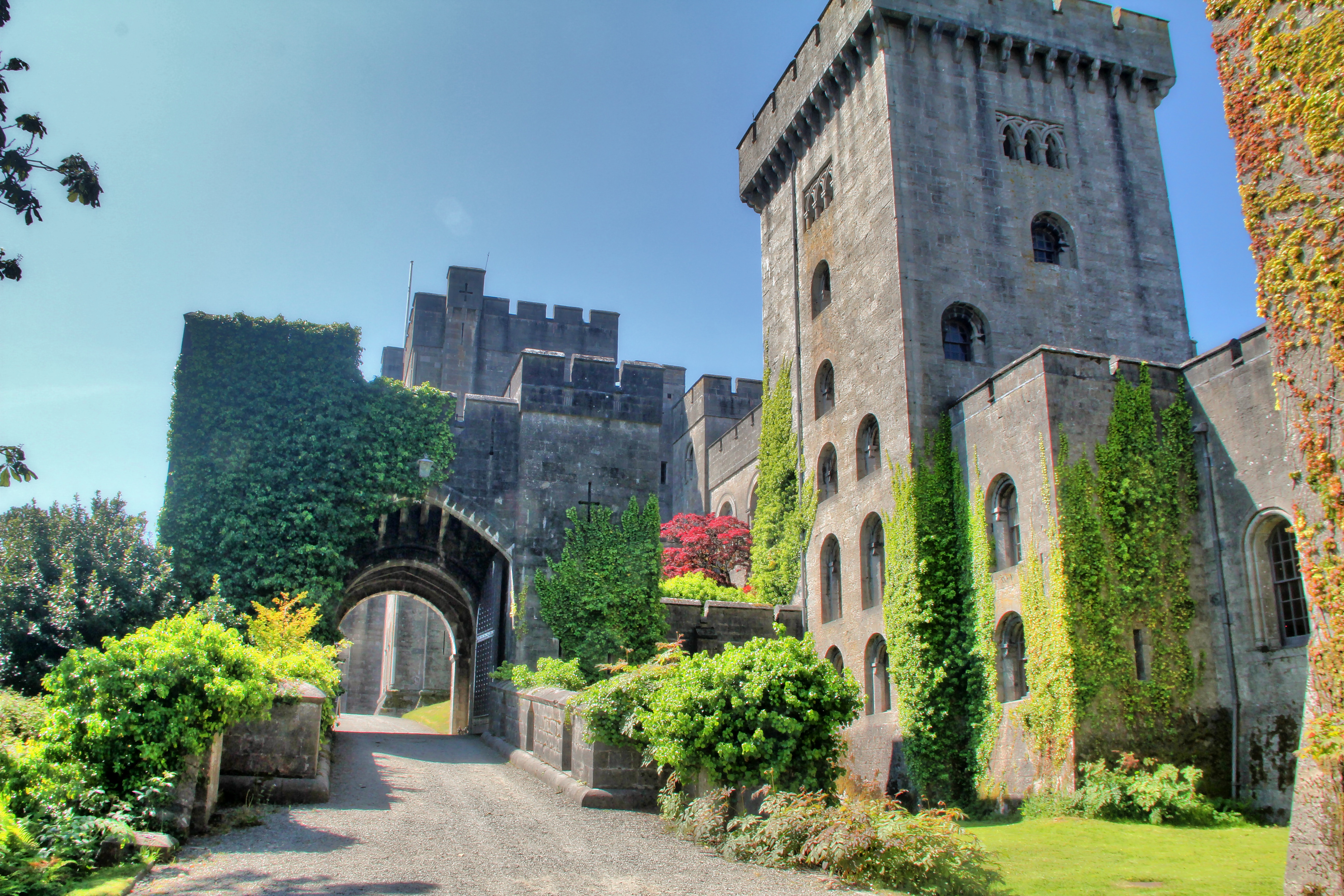
Behind the grey stone is a building of red brick, faced to look like a twelfth-century Norman castle. Inside, the rooms are huge and deliberately overwhelming: a great hall, a library, a grand staircase carved in stone, and furniture carved from the family's own slate, including a massive slate bed. Everything was designed to impress, and to say that this family's wealth was as old and as permanent as a castle.
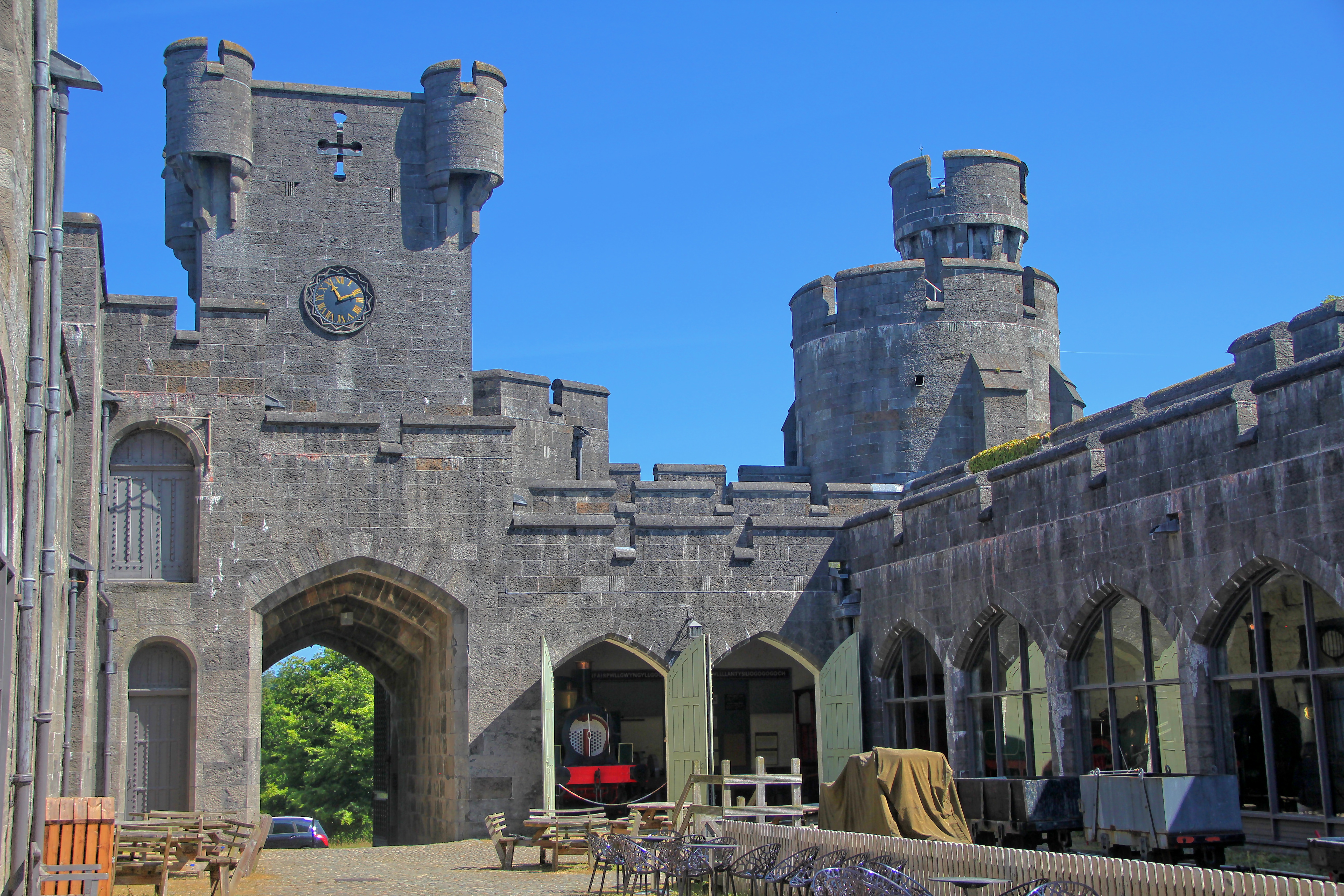
For many years the castle said almost nothing about Jamaica. That has changed. The National Trust now tells the story of the plantations, Richard Pennant's letters and the quarry strike in the castle itself, and it is working with researchers, local communities and international partners on what comes next. The famous painting of Penrhyn Quarry by Henry Hawkins in the Grand Hall has been reframed to tell the quarrymen's side of the story.
The gardens are worth time on their own: a walled garden, a jungle-like bog garden, and views across to the mountains and the Menai Strait. Below stairs, the Victorian kitchens show how many servants it took to keep the house running.
The railway collection
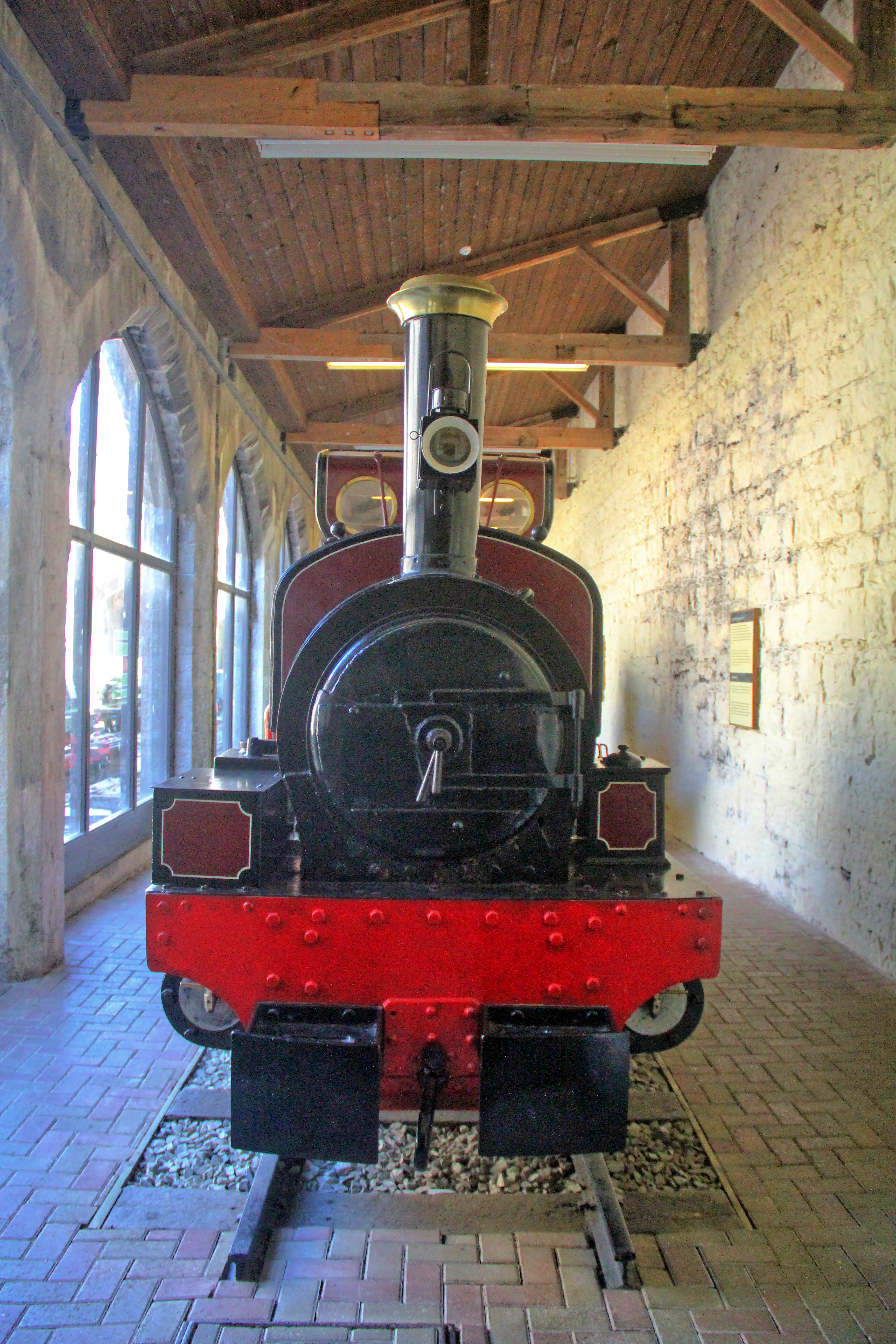
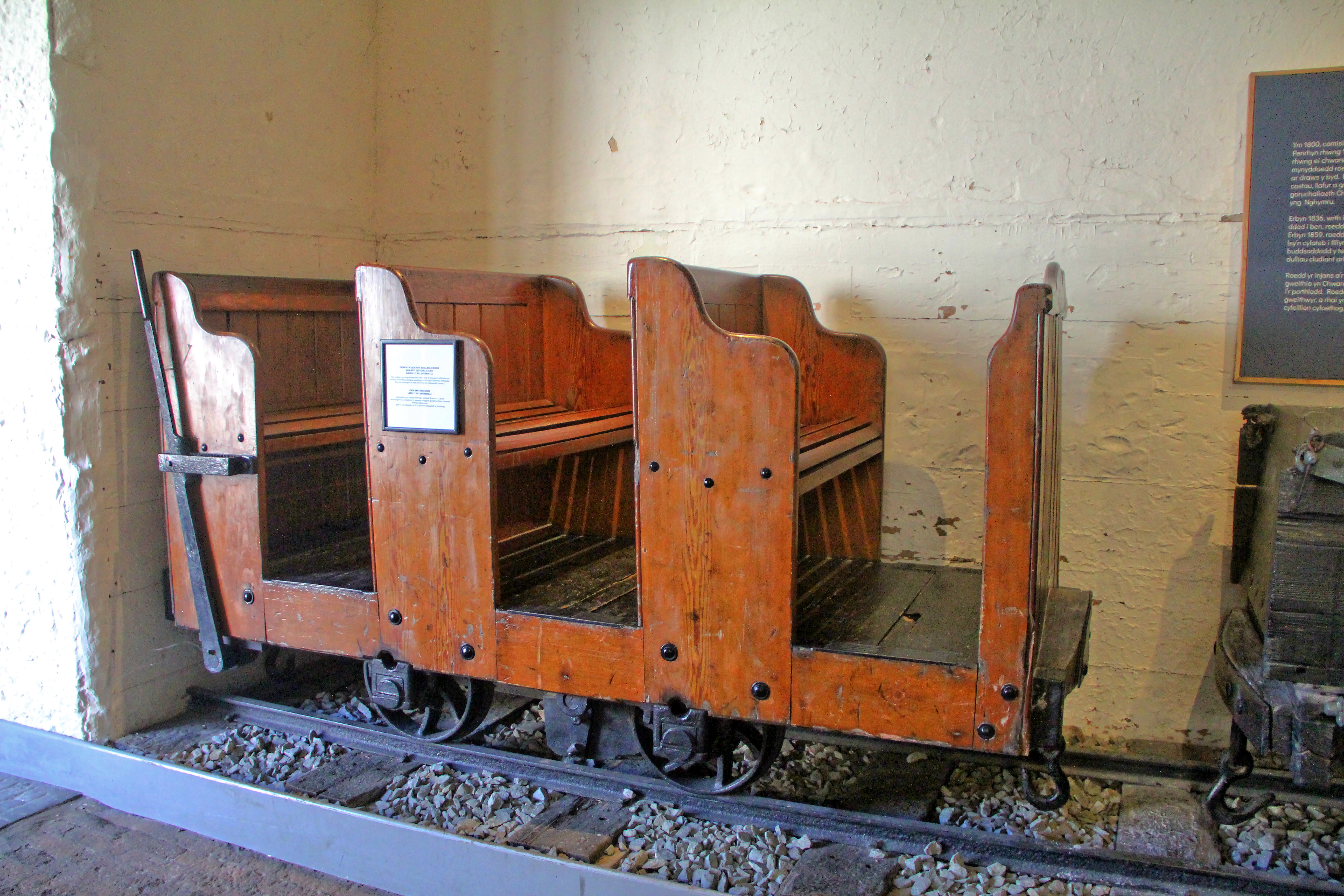
The quarry had its own railway, the Penrhyn Quarry Railway, one of the earliest industrial railways in the world, running from Bethesda to Port Penrhyn past the castle grounds. After the National Trust took over, the old stable block became a museum of industrial locomotives, carriages and wagons from the quarries of North Wales and beyond.
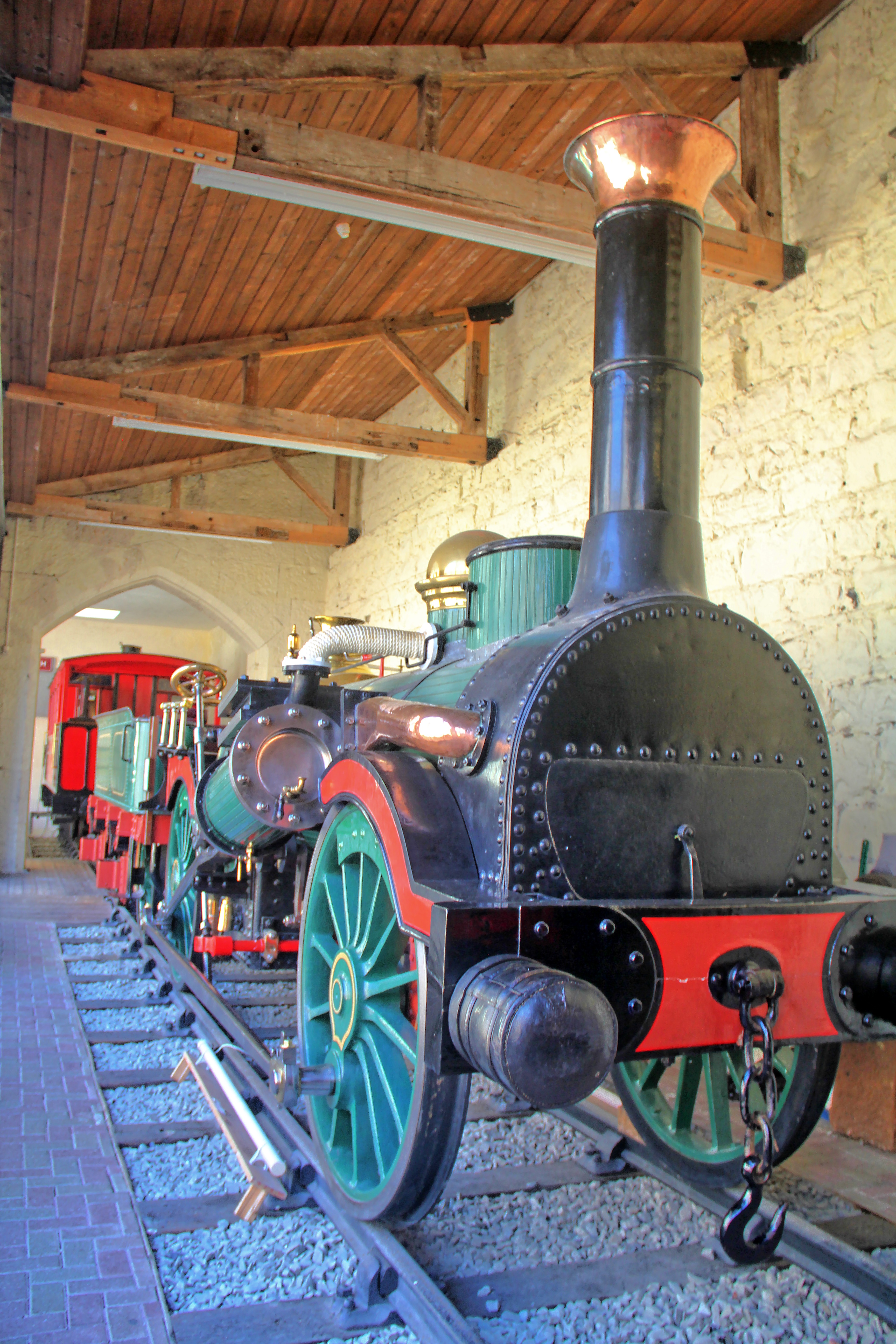
The oldest engine was Fire Queen, built in 1848 for the Padarn Railway that served Dinorwic Quarry. It has no frame at all; its wheels and cylinders are fixed straight onto the boiler.
Visiting Penrhyn Castle
Getting there
Penrhyn Castle stands on the eastern edge of Bangor in Gwynedd, North Wales. Bangor station is on the North Wales coast line, with trains from Chester, Manchester and London Euston, and the castle is a short taxi ride from the station. By car it is just off the A55. Bethesda and the quarry lie a few miles inland up the Ogwen Valley.
Opening times and tickets
The castle is run by the National Trust. Opening is seasonal, and the times for the castle, kitchens and garden differ. Last entry to the castle is usually at 3pm. National Trust members get in free. Always check the official Penrhyn Castle page before you go. Allow two to three hours for the castle and gardens.
Tours and experiences
North Wales is best seen with a guide if you are not driving. Day tours from Liverpool, Manchester, Chester and London take in castles, slate country and Eryri (Snowdonia). Entrance fees for the sights on a tour are always included in the price. Tips for your guide are not included, but they are welcome.
The African side of Penrhyn's story
The people on the Pennant plantations in Jamaica, or their parents and grandparents, were taken from West Africa, many of them through the forts of the Gold Coast, today's Ghana. To see where that journey began:
- Cape Coast Castle: the British headquarters on the Gold Coast.
- The Royal African Company and the Gold Coast Forts: the London company that supplied the Caribbean.
- The Trans-Atlantic Slave Trade under British Rule, on Ghana-Net.
Read next
Penrhyn is not alone: the country houses paid for by plantations.
The compensation that paid families like the Pennants.
The port Richard Pennant represented in Parliament.
Sugar, mahogany and a lonely grave by the sea.
Africa in Wales, at the other end of the country.
The African side of the story
Britain Adventures is part of a network of independent sites on Africa and its history. These are the places where the stories on this page continue:
- Pan-African: African Independence · Uganda · Egypt · Sierra Leone · All African Radio Stations
- Ghana: Ghana-Net · Cape Coast Castle · Elmina Castle · James Fort, Accra · They Made Ghana · War Cemetery Cape Coast
- Across Africa: Kenya Web News · Explore Nigeria · Gambia Vibes · Zambia Vibes
- European history: V2 Rocket and Peenemünde · Tannenberg Memorial
Search our Network. Start here.